Useful intake
The first conversation is meant to identify the project goal, property details, and any obvious constraints before assumptions build up.

Compare
Solar Panels vs Generator is not just a feature comparison. The better choice depends on the property, how the system will be used, what level of backup or grid connection matters, and how much complexity you want to manage.
A useful comparison looks at trade-offs in plain terms so the final choice matches the project instead of chasing a headline claim.
Discuss your project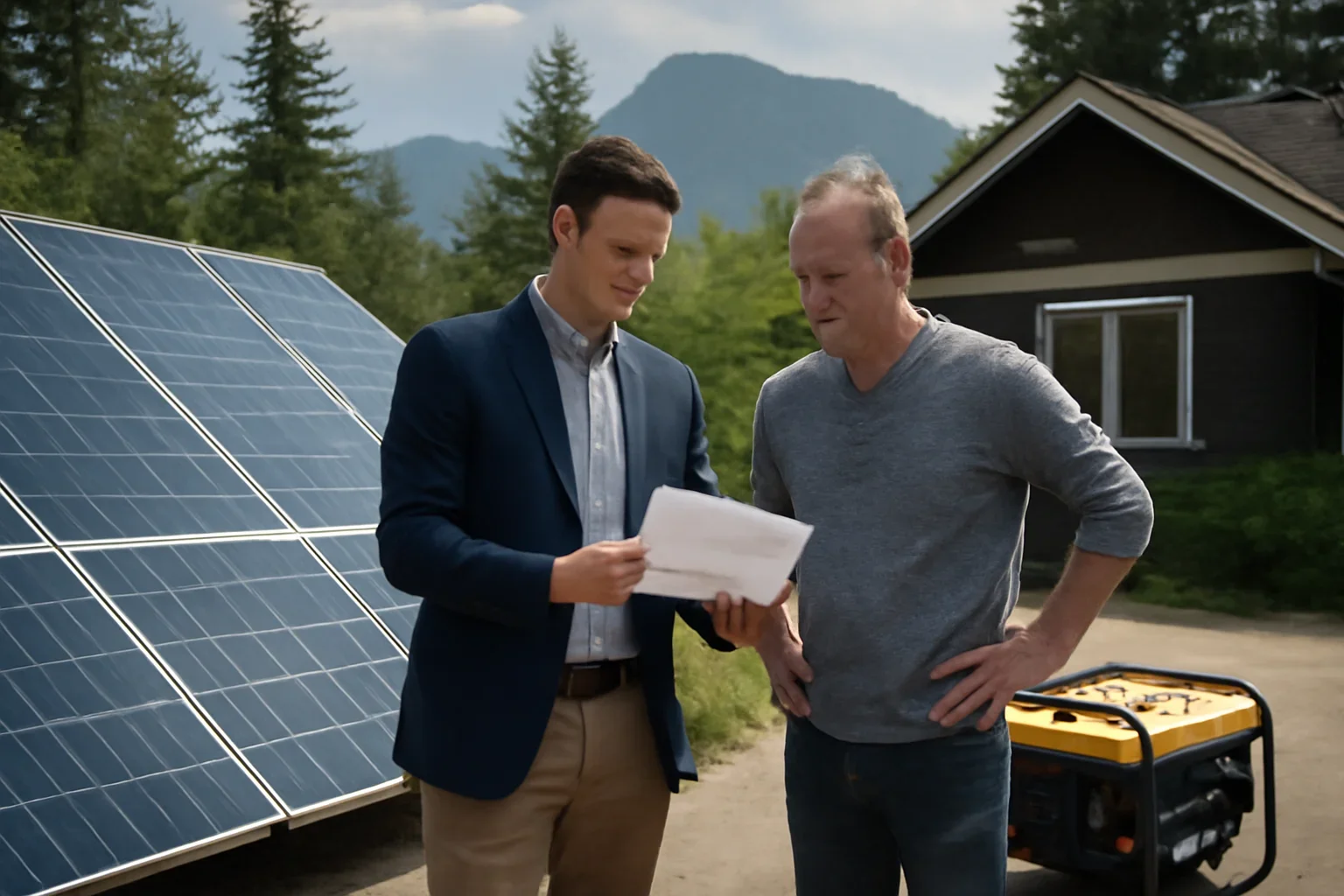
The first conversation is meant to identify the project goal, property details, and any obvious constraints before assumptions build up.
A recommendation only becomes useful when it reflects the building, electrical setup, and intended result.
With the basics in place, it is easier to compare options and understand what the next step actually involves.
The meaningful differences in solar panels vs generator usually appear in how the option fits the site, how much complexity it adds, and what trade-offs it creates over time. A feature checklist alone rarely tells that full story.
A grounded comparison needs room for real-world fit, future plans, and property constraints instead of staying at marketing level.
A useful next step may be to compare this page with pricing, support articles, or a related solution page that matches your property type.


Start by identifying what success looks like for the property. Lower upfront cost, cleaner roof aesthetics, easier maintenance, backup capability, and expansion flexibility do not always point to the same answer.
A grounded comparison lets each option win where it truly fits instead of forcing one universal winner.
After an enquiry, the conversation usually moves into property review, scope clarification, and a better sense of whether the project is ready for design direction or a fuller quote discussion.
Keeping the discussion tied to the actual site makes later decisions easier and cuts down on guesswork.
The answer depends on how well the option matches the property and the outcome you care about. Once the roof, load profile, and project priorities are reviewed, the right fit is usually easier to spot.
The next step is usually a review of the property type, usage pattern, and project goals, followed by any site details needed to narrow the scope. You should come away with a clearer idea of options, likely constraints, and what information is still needed before design moves ahead.
Yes. A house, farm, warehouse, office building, and strata property each shape the project in different ways, so the planning should adapt to the building instead of forcing a generic template.
Next step
Share the property type and what you want the system to do, and we will help you frame the comparison around the realities of the site.
Send project details