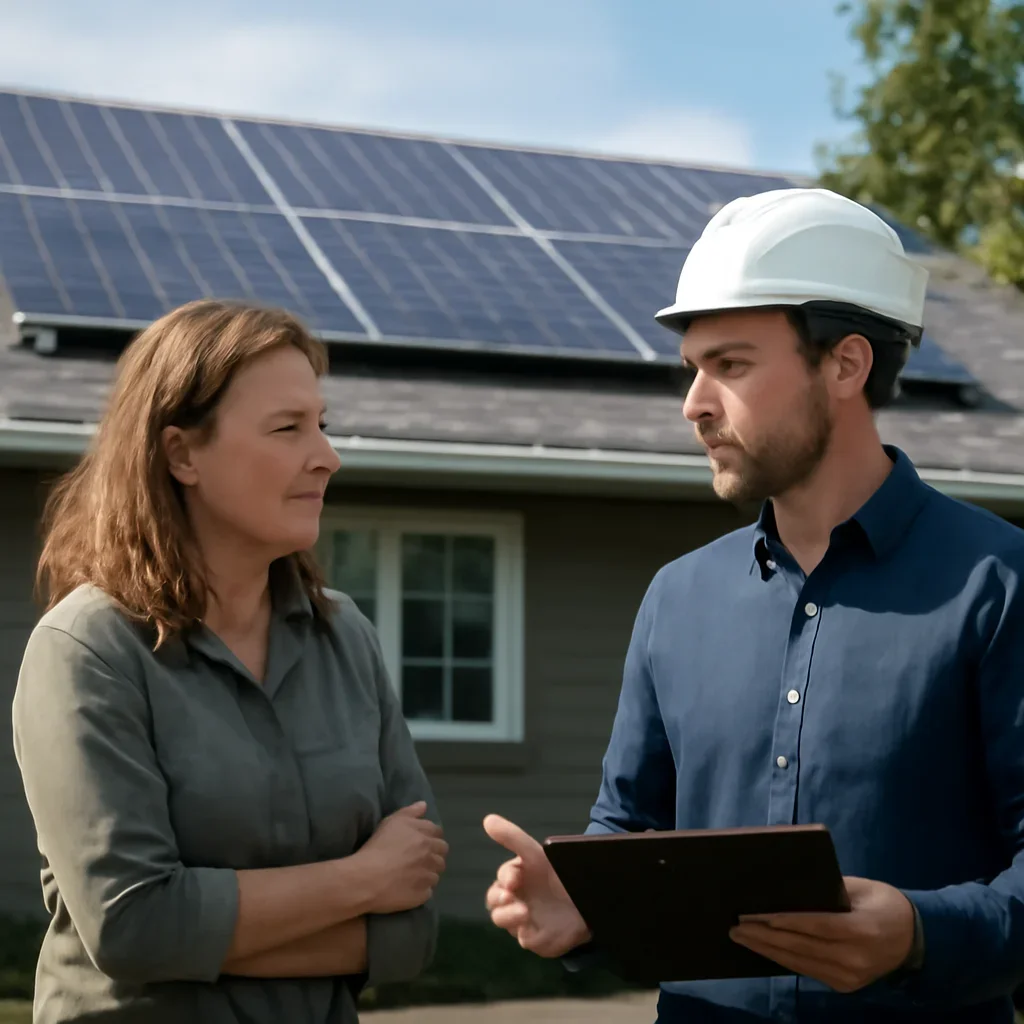
Project clarity
The process is designed to replace vague interest with practical information tied to the property.

Industries
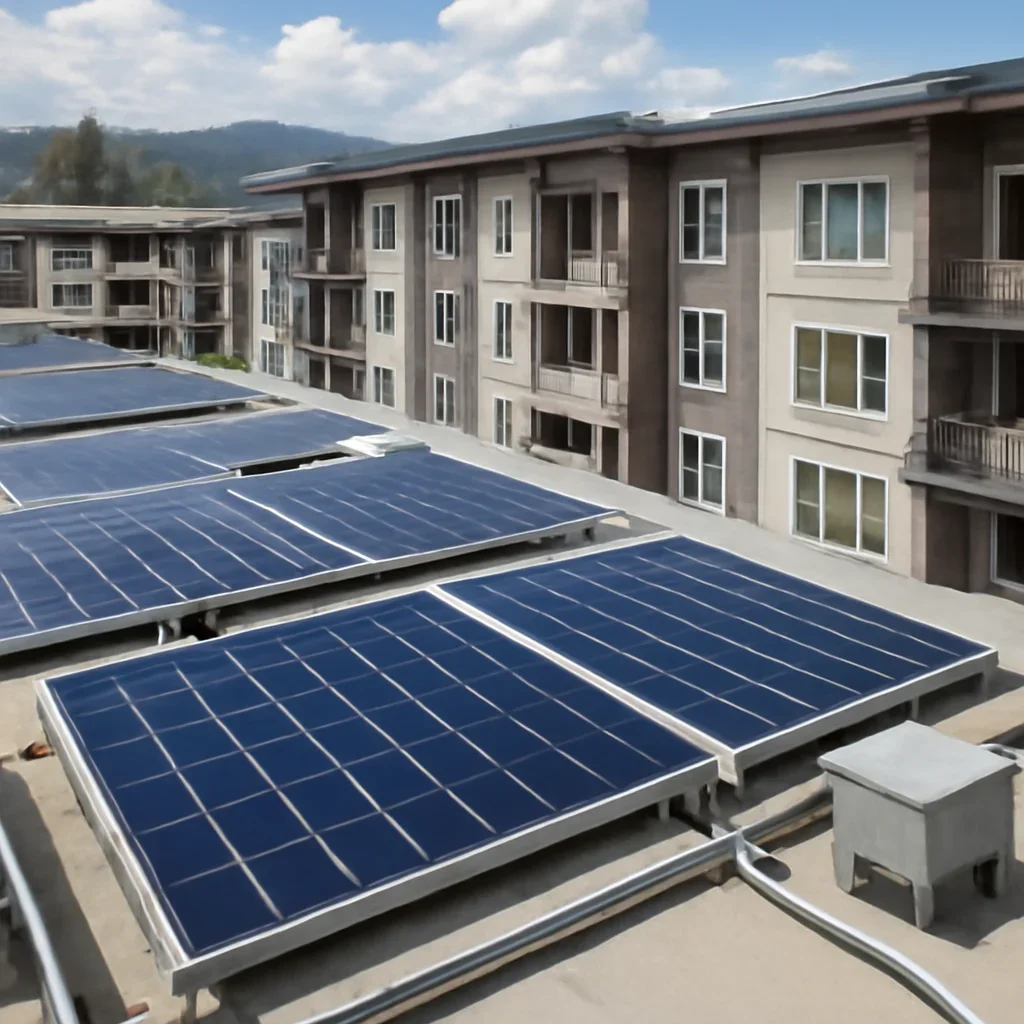
Our team handles solar for apartment buildings and multifamily properties, with planning built around the property, electrical setup, and the result you want from the system.
The work starts with a real review of roof space, power usage, and installation constraints so the recommendation fits the site instead of forcing a standard package.
Discuss your project
The process is designed to replace vague interest with practical information tied to the property.
System choices are more useful when they reflect site conditions, future plans, and the way the building uses power.
Good communication matters because most delays come from unclear scope rather than from the equipment itself.
Solar for apartment buildings and multifamily properties tends to matter most when the property owner is trying to solve a specific problem rather than just add equipment. That could mean controlling daytime operating costs, making room for future expansion, improving backup readiness, or matching the design to a particular building type.
The best results come from understanding how this part of the project interacts with layout, budget, permitting, and longer-term energy plans.
To keep the research practical, pair this page with a project enquiry, budget planning, and the closest related page in our solutions or support sections.
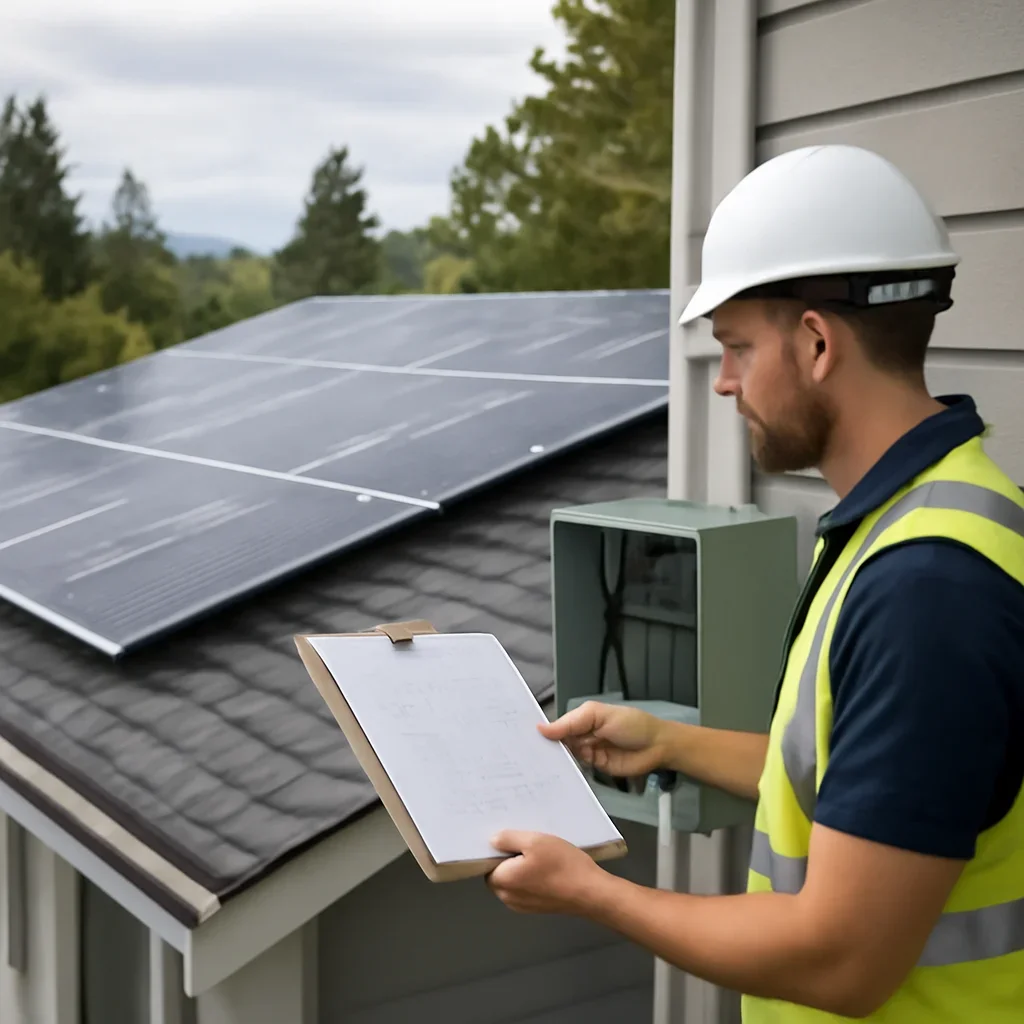
The process works best when the initial discussion tests property fit first and leaves detailed recommendations until the site basics are clear.
That keeps the project grounded in practical decisions instead of assumptions taken from someone else’s building.
After an enquiry, the conversation usually moves into property review, scope clarification, and a better sense of whether the project is ready for design direction or a fuller quote discussion.
The point is to move from general interest to clear project direction without skipping the details that affect performance, cost, and installation flow.
The best fit becomes clearer once the property, electricity use, equipment goals, and budget range are reviewed together. That process shows whether the option makes sense as a near-term solution, a staged upgrade, or something to rule out early.
After an enquiry, the conversation normally moves into site details, energy use, and the outcome you want the project to deliver. That gives enough context to explain realistic options and what information is still missing.
Yes. Different property types call for different design logic, approval steps, and installation pacing. Treating them the same tends to create avoidable problems later in the project.
Next step
Share the building type, the goal behind the project, and any site issues already on your radar so the next step is easier to define.
Send project details