Area-specific planning
Kelowna installations work best when site exposure, roof type, and local project conditions are understood early.

Service Areas
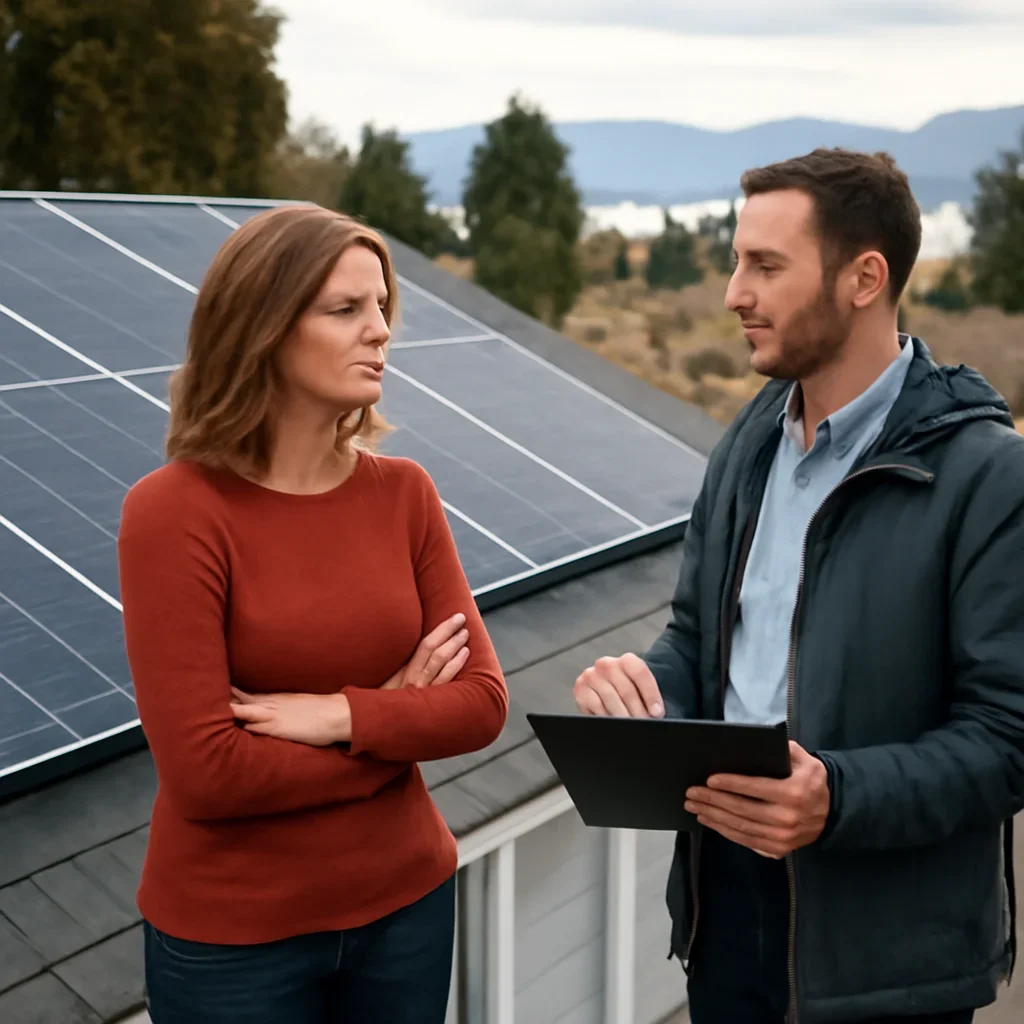
Kelowna property owners often want clear answers before moving ahead with solar: whether the roof is suitable, how the system should be sized, what the process looks like, and how utility coordination is handled.
Planning here usually focuses on strong summer production, seasonal snow considerations, and properties with more room for larger system layouts.
Discuss your project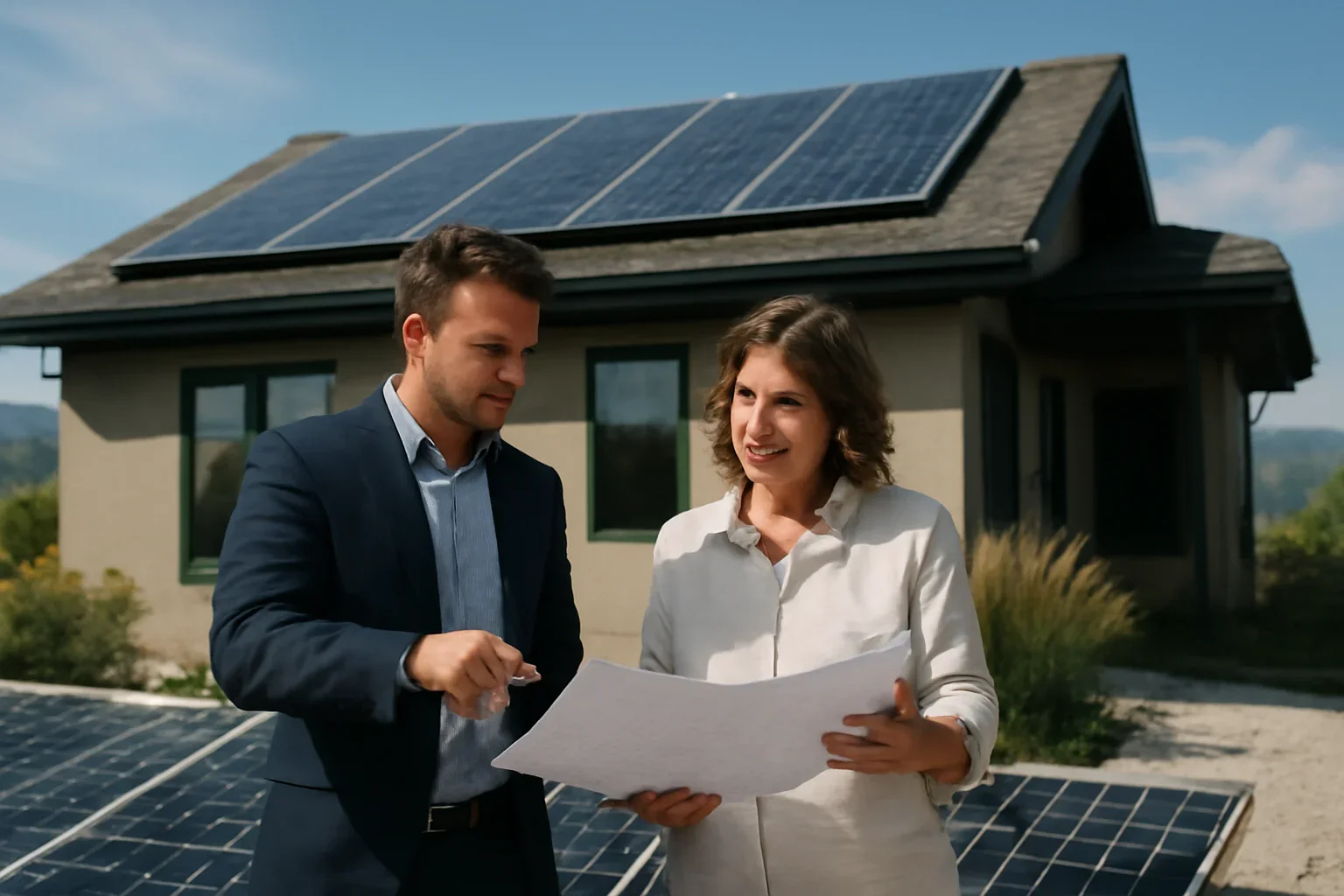
Kelowna installations work best when site exposure, roof type, and local project conditions are understood early.
A clear sequence for review, design, and approvals keeps the project moving without unnecessary uncertainty.
The right system for a townhouse, detached home, farm, or light industrial site will not look exactly the same.
A useful review in Kelowna looks at roof orientation, available surface area, inverter placement, service capacity, and the practical steps required before installation work begins. Residential and commercial projects often need different design conversations, even when the end goal is similar.
Future changes such as an EV charger, workshop load, or backup requirement can affect the design today, which is why they belong in the first planning discussion.
You may also want to compare this page with ground-mounted solar, roof-mounted solar, and project pricing factors.
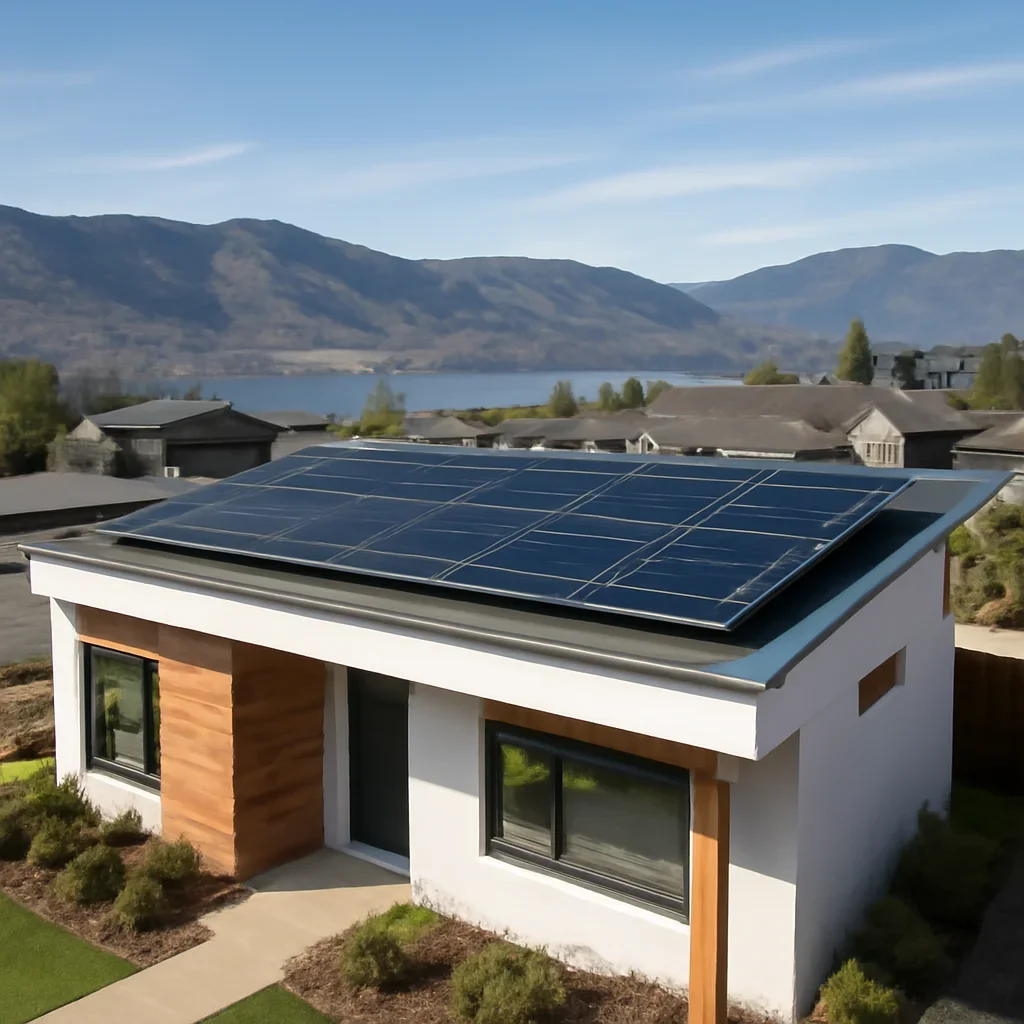
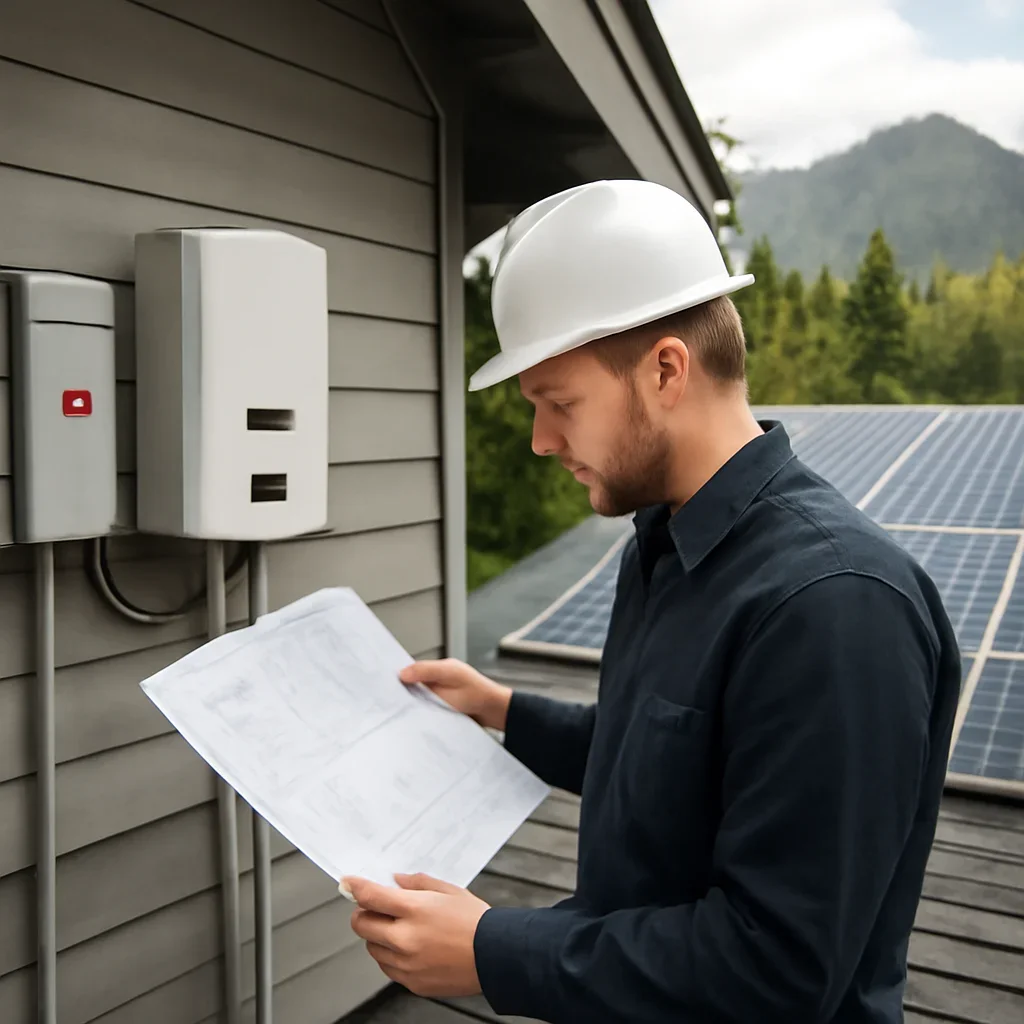
A practical first step in Kelowna is deciding which type of system suits the property best and whether the project should be staged or handled in one phase. That makes the enquiry more useful and the design path clearer.
After that, the work can move into a more specific review of layout, equipment, and the permissions or utility coordination needed for installation.
The process after first contact is normally a scope check that identifies the property conditions, likely constraints, and the information needed before pricing or design becomes more specific.
Keeping the discussion tied to the actual site makes later decisions easier and cuts down on guesswork.
The process normally begins with the site basics: building type, power usage, available installation area, and any known electrical limits. Once that is clear, the review can move toward system fit, likely scope, and the approvals that apply to the property.
Yes. Permitting and utility coordination are not side issues left until the end; they are built into the planning sequence. The details depend on the site, yet the process should stay transparent so you understand what is required and when it needs to happen.
A recent power bill, photos of the roof or site, and any information about electrical upgrades can help speed things up. Even without all of that, an initial conversation can still narrow down likely system options and the questions that need to be answered next.
Next step
Send a few details about your Kelowna site, the building type, and the result you want from solar, and we will point you toward the right next step.
Send project details