Local context
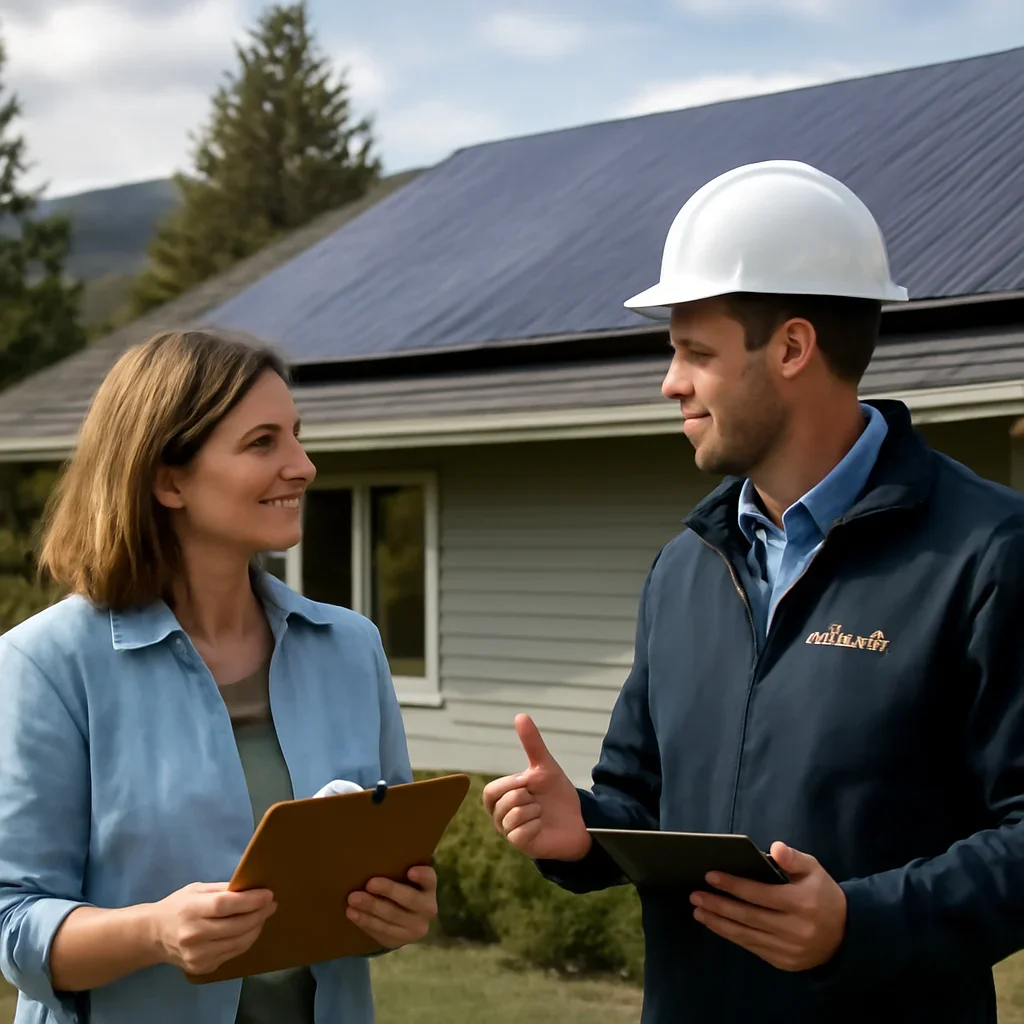
Langley projects are shaped by real property conditions, not by province-wide assumptions dropped onto every roof.

Service Areas
Langley property owners often want clear answers before moving ahead with solar: whether the roof is suitable, how the system should be sized, what the process looks like, and how utility coordination is handled.
Many properties here combine family homes, acreages, and light commercial sites, so layout flexibility and straightforward utility coordination matter.
Discuss your project
Langley projects are shaped by real property conditions, not by province-wide assumptions dropped onto every roof.
Permitting, utility steps, and installation planning are easier to manage when the scope is clear from the start.
Homes, commercial sites, and acreage properties often need different layouts, equipment choices, and project pacing.
In Langley, solid planning starts with the site rather than with a guessed system size. Roof layout, electrical capacity, shading, and installation access all affect what will work cleanly on the property.
Thinking ahead matters here. Storage, charger integration, panel upgrades, and staged expansion are easier to accommodate when they are discussed before the scope is finalized.
Many local enquiries also connect to pricing, residential solar panels, solar battery storage, and permits and inspections in BC.
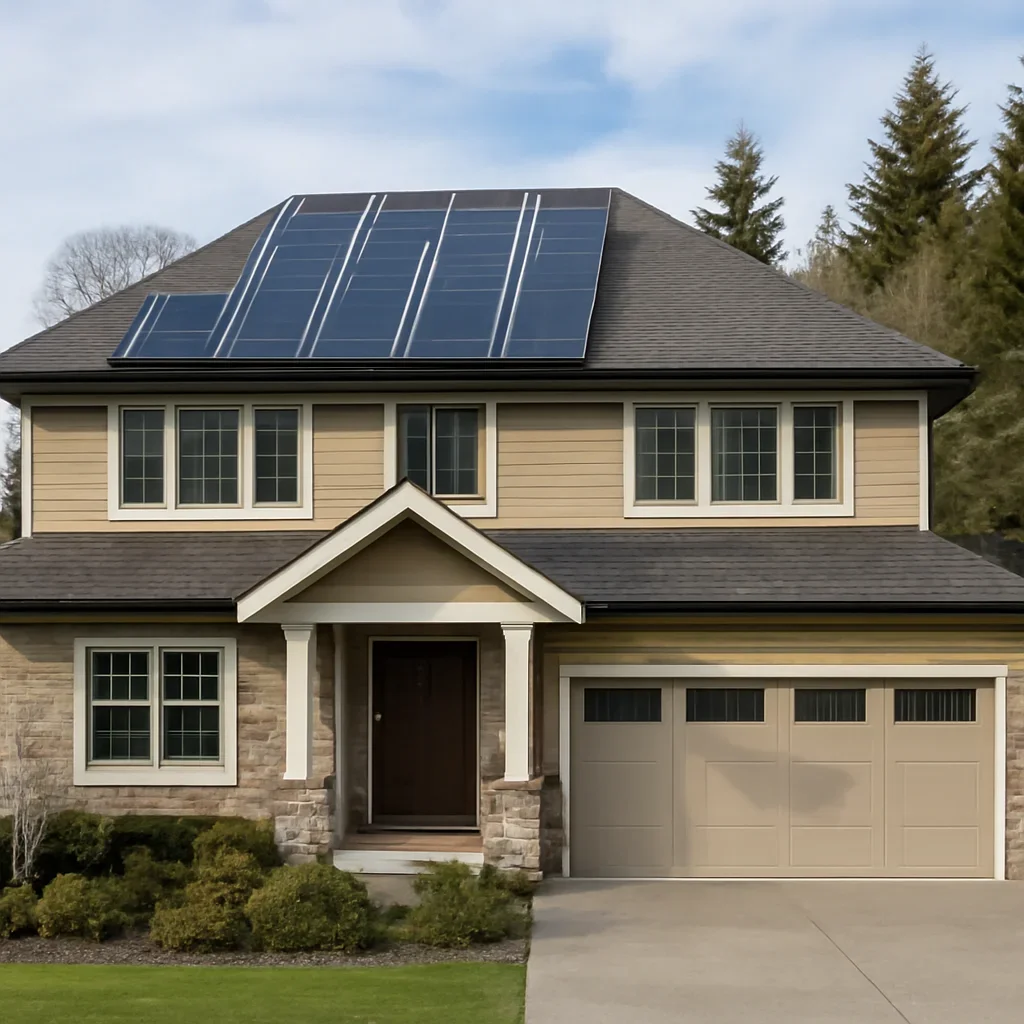

A practical first step in Langley is deciding which type of system suits the property best and whether the project should be staged or handled in one phase. That makes the enquiry more useful and the design path clearer.
After that, the work can move into a more specific review of layout, equipment, and the permissions or utility coordination needed for installation.
Most next steps involve confirming site details, reviewing energy use, and deciding whether the project is ready for design, pricing, or another round of planning questions.
The point is to move from general interest to clear project direction without skipping the details that affect performance, cost, and installation flow.
It usually starts with a conversation about the property type, current electricity use, roof or ground space, and any timing concerns. From there, the next step is a site review so the design, budget range, and approval path are based on the actual property rather than a guess.
Yes. Permitting and utility coordination are not side issues left until the end; they are built into the planning sequence. The details depend on the site, yet the process should stay transparent so you understand what is required and when it needs to happen.
A recent power bill, photos of the roof or site, and any information about electrical upgrades can help speed things up. Even without all of that, an initial conversation can still narrow down likely system options and the questions that need to be answered next.
Next step
Tell us about the property, your current power use, and what you want the system to achieve. We will outline the next step for a Langley installation enquiry.
Send project details