Project clarity
The process is designed to replace vague interest with practical information tied to the property.

Support
Solar Panels in Winter is easier to understand when you strip away the jargon and focus on what affects a real property in BC.
Below, the key considerations are explained in plain language so you can figure out what matters for planning, budgeting, and next-step conversations.
Discuss your project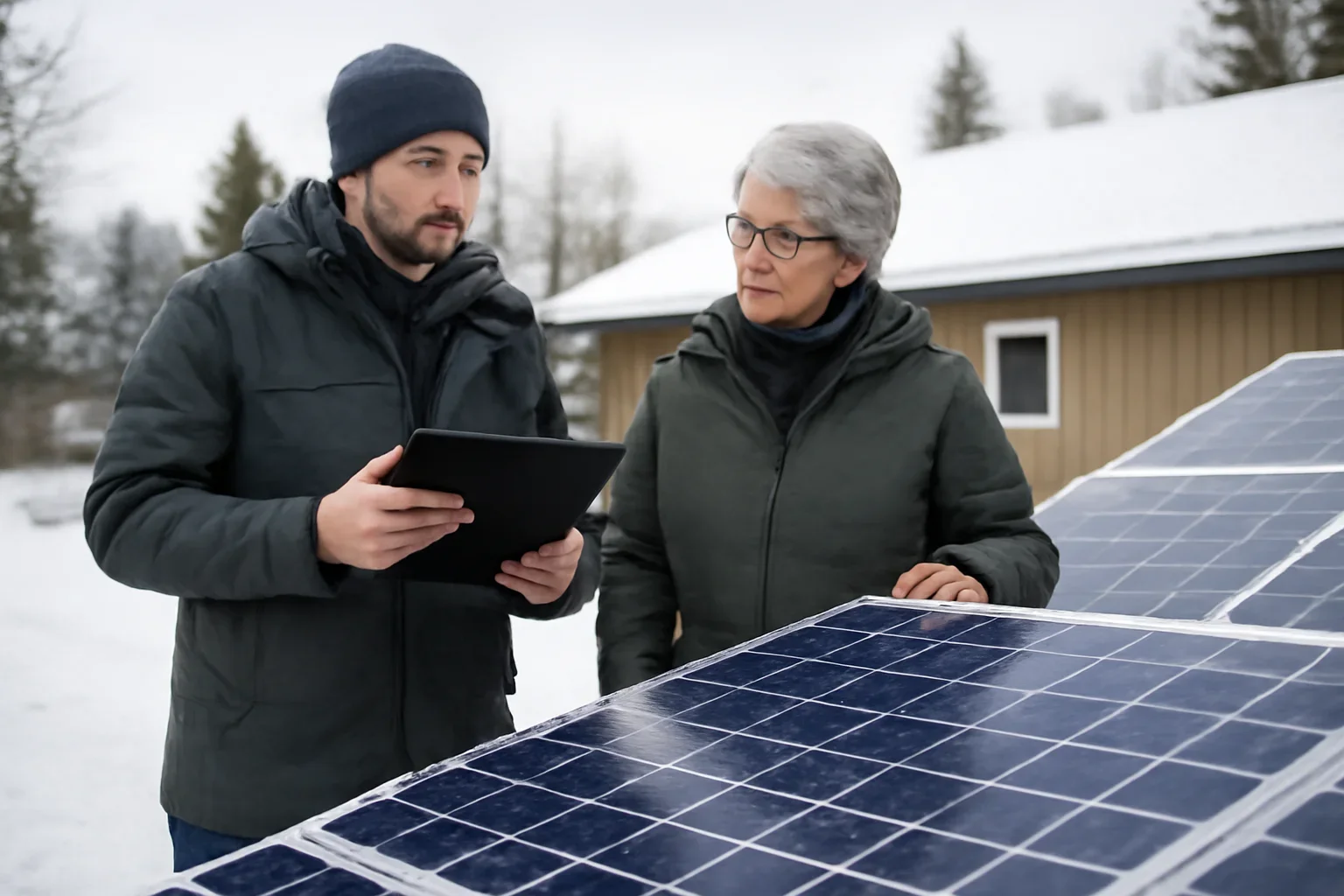
The process is designed to replace vague interest with practical information tied to the property.
System choices are more useful when they reflect site conditions, future plans, and the way the building uses power.
Good communication matters because most delays come from unclear scope rather than from the equipment itself.
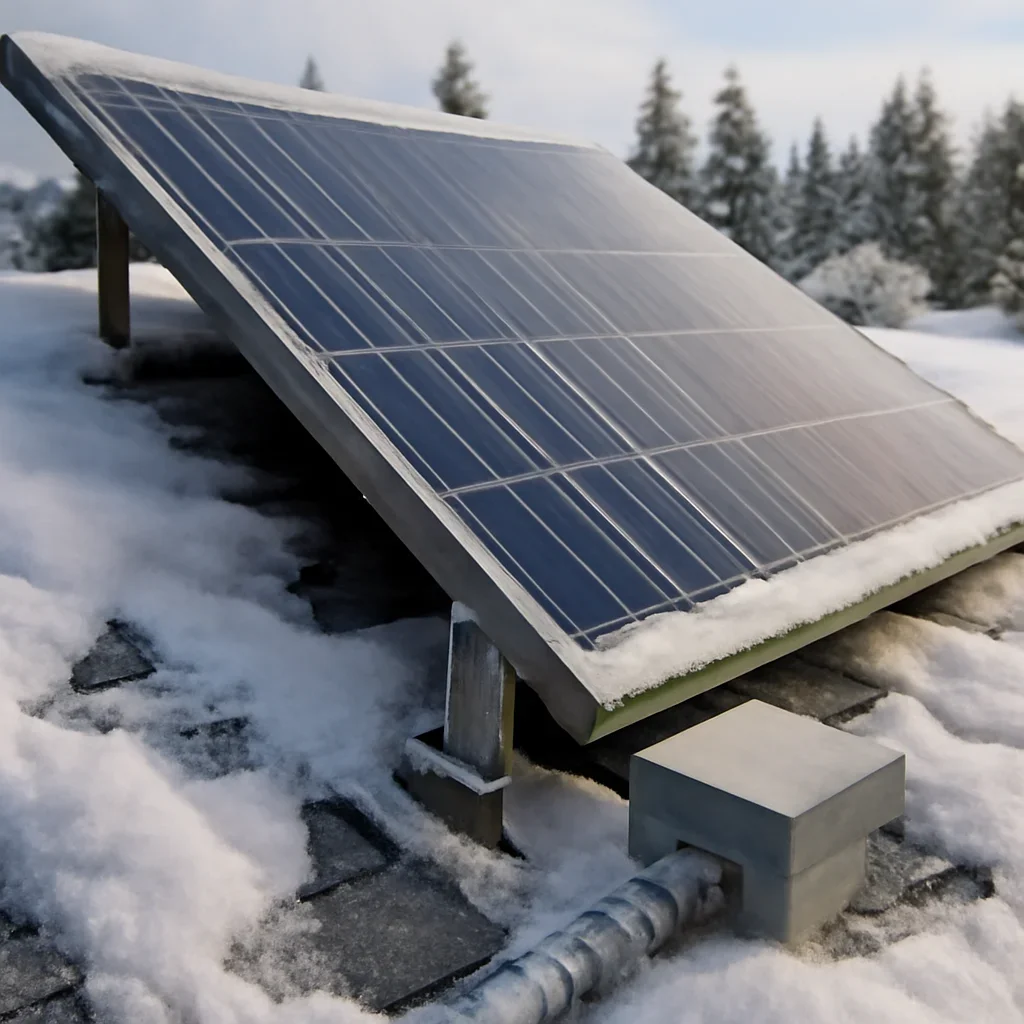
Winter, snow and cold-weather solar performance in BC tends to matter most when the property owner is trying to solve a specific problem rather than just add equipment. That could mean controlling daytime operating costs, making room for future expansion, improving backup readiness, or matching the design to a particular building type.
A strong recommendation depends on how the option fits the site, the budget, the approval path, and the wider energy plan for the property.
To keep the research practical, pair this page with a project enquiry, budget planning, and the closest related page in our solutions or support sections.
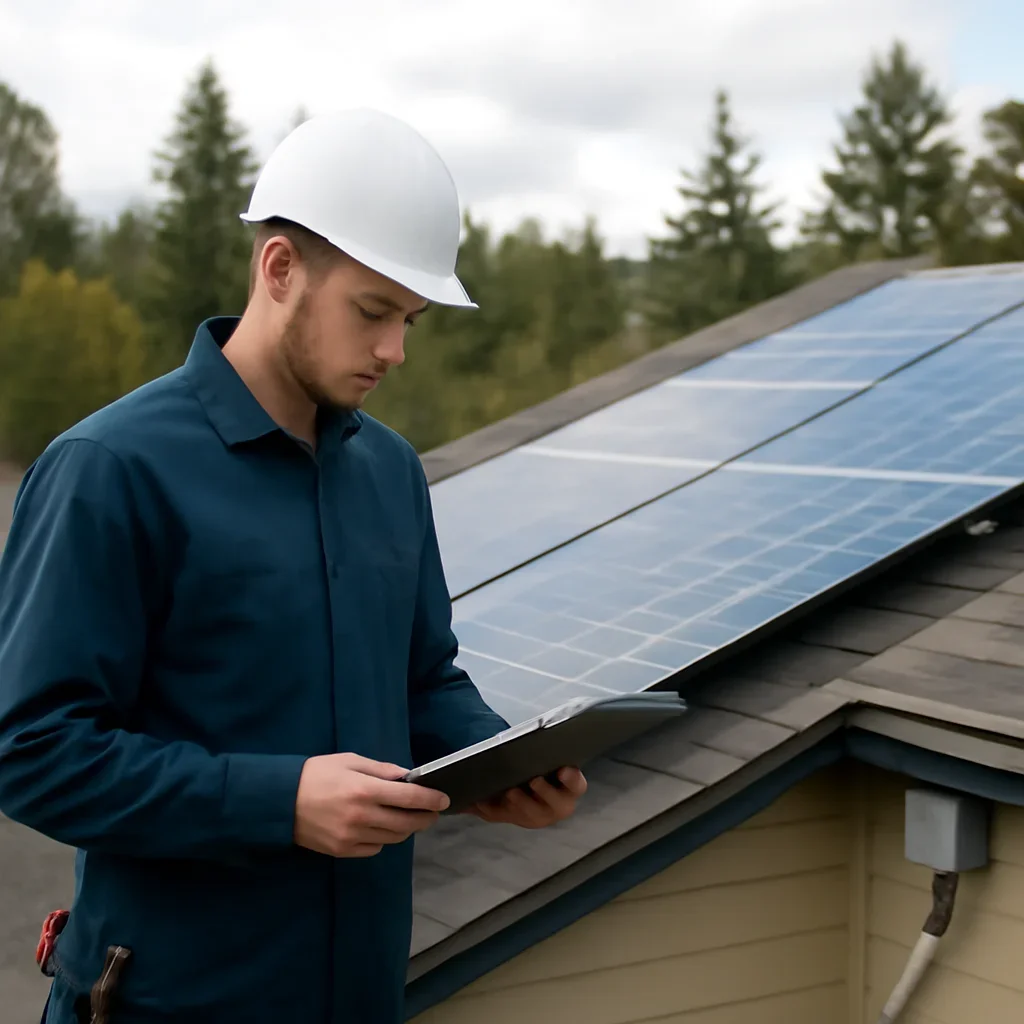
Early review is mostly about fit: does the property, energy profile, and project goal support this option in a practical way? Once that is answered, the next step is a more detailed scope discussion.
Keeping the review tied to the actual site helps avoid generic advice that sounds good but does not travel well from one property to another.
After an enquiry, the conversation usually moves into property review, scope clarification, and a better sense of whether the project is ready for design direction or a fuller quote discussion.
Keeping the discussion tied to the actual site makes later decisions easier and cuts down on guesswork.
The best fit becomes clearer once the property, electricity use, equipment goals, and budget range are reviewed together. That process shows whether the option makes sense as a near-term solution, a staged upgrade, or something to rule out early.
Most enquiries are followed by a scope review that looks at the property, current electricity needs, and any known constraints or timeline issues. The result should be a more informed next step rather than a vague sales follow-up.
Yes. Different property types call for different design logic, approval steps, and installation pacing. Treating them the same tends to create avoidable problems later in the project.
Next step
Share the building type, the goal behind the project, and any site issues already on your radar so the next step is easier to define.
Send project details