Clear first step
Every enquiry is sorted into property type, scope, and decision stage so the next conversation starts with context.

Core
Solar pricing in BC depends on more than panel count. System size, roof access, electrical upgrades, equipment selection, permitting, and the complexity of the install all influence the final number.
A useful pricing conversation also looks beyond the install total. Savings potential, financing structure, production expectations, and future upgrades can change which option makes the most sense.
Discuss your project
Every enquiry is sorted into property type, scope, and decision stage so the next conversation starts with context.
Roof layout, service capacity, usage pattern, and future upgrades are reviewed before recommendations are narrowed down.
You should know what information is missing, what options look realistic, and what the next milestone will be.
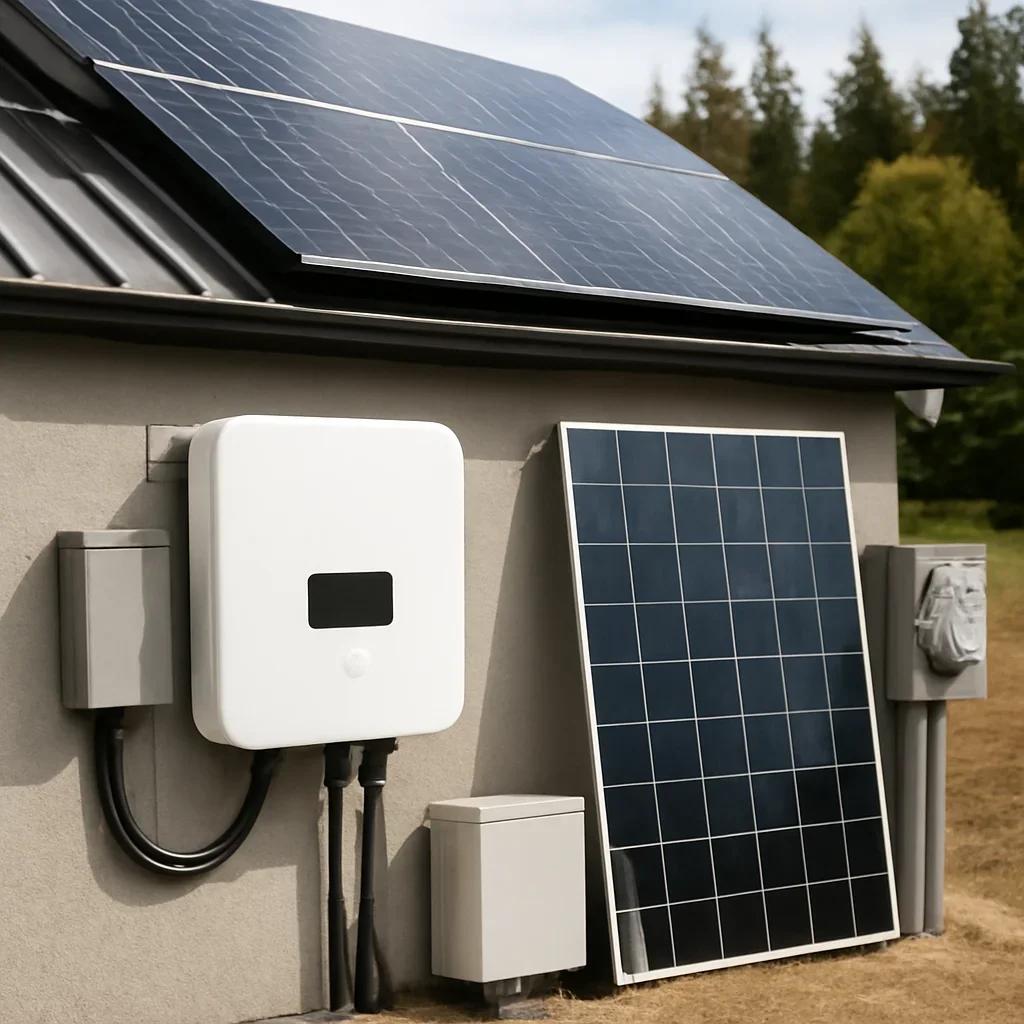
Projects with simple roof access and straightforward electrical conditions usually move through planning more efficiently than properties that need structural review, service changes, or more complicated layouts. Battery storage, monitoring, and specialty equipment can also shift the budget range in meaningful ways.
Commercial projects often add another layer because operating hours, demand patterns, roof size, and procurement expectations affect how value is measured.
You can move between this page, our pricing guidance, contact page, and the most relevant solution or support page as your questions become more specific.
The right comparison is not just the bottom-line price. It also helps to check the proposed system size, equipment assumptions, installation scope, timeline expectations, and what support is built into the process.
That way, you are reviewing actual differences in design and delivery rather than comparing two numbers that may be based on very different assumptions.
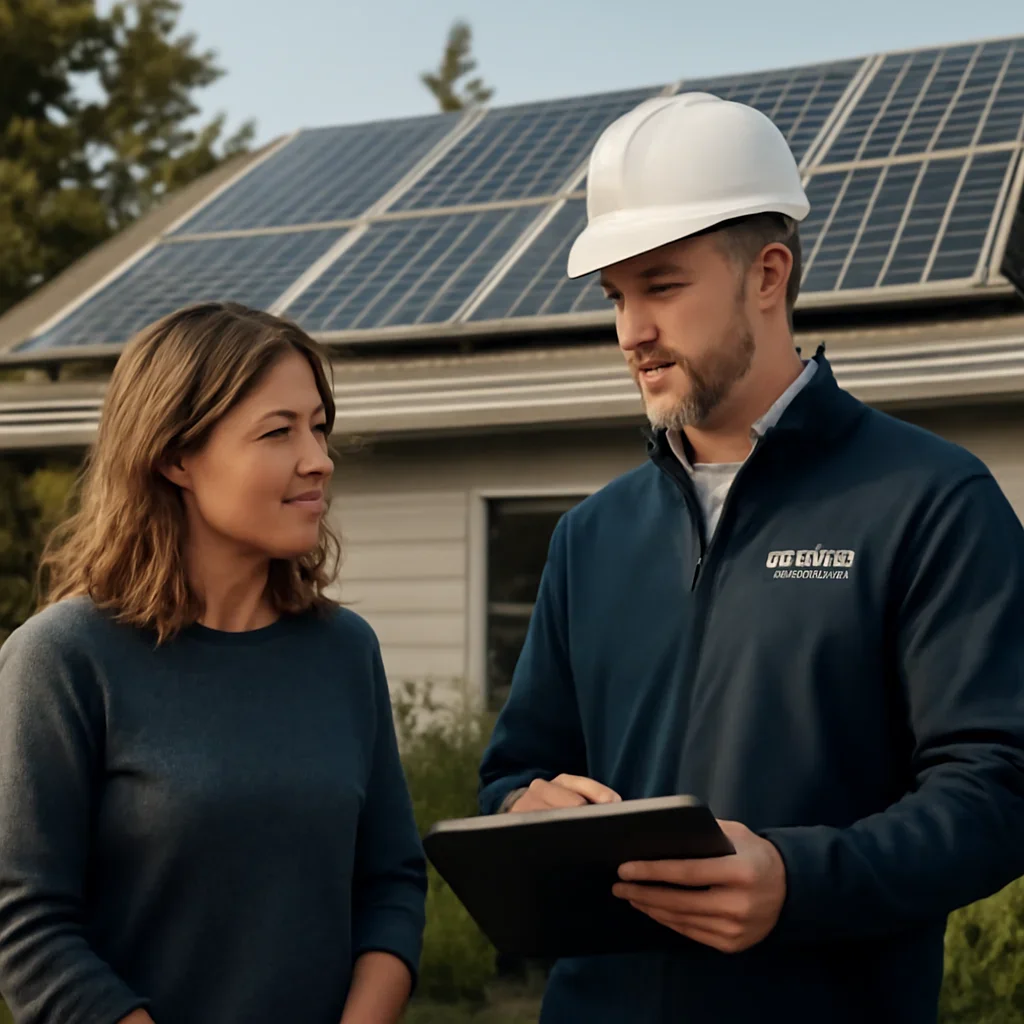
After an enquiry, the conversation usually moves into property review, scope clarification, and a better sense of whether the project is ready for design direction or a fuller quote discussion.
Keeping the discussion tied to the actual site makes later decisions easier and cuts down on guesswork.
The best fit becomes clearer once the property, electricity use, equipment goals, and budget range are reviewed together. That process shows whether the option makes sense as a near-term solution, a staged upgrade, or something to rule out early.
Most enquiries are followed by a scope review that looks at the property, current electricity needs, and any known constraints or timeline issues. The result should be a more informed next step rather than a vague sales follow-up.
Yes. A house, farm, warehouse, office building, and strata property each shape the project in different ways, so the planning should adapt to the building instead of forcing a generic template.
Next step
Send a few property details, your recent electricity usage, and any known site constraints. We will help frame the pricing conversation around scope, not guesswork.
Send project details