Clear first step
Every enquiry is sorted into property type, scope, and decision stage so the next conversation starts with context.

Compare
Monocrystalline vs Polycrystalline Solar Panels is not just a feature comparison. The better choice depends on the property, how the system will be used, what level of backup or grid connection matters, and how much complexity you want to manage.
A useful comparison looks at trade-offs in plain terms so the final choice matches the project instead of chasing a headline claim.
Discuss your project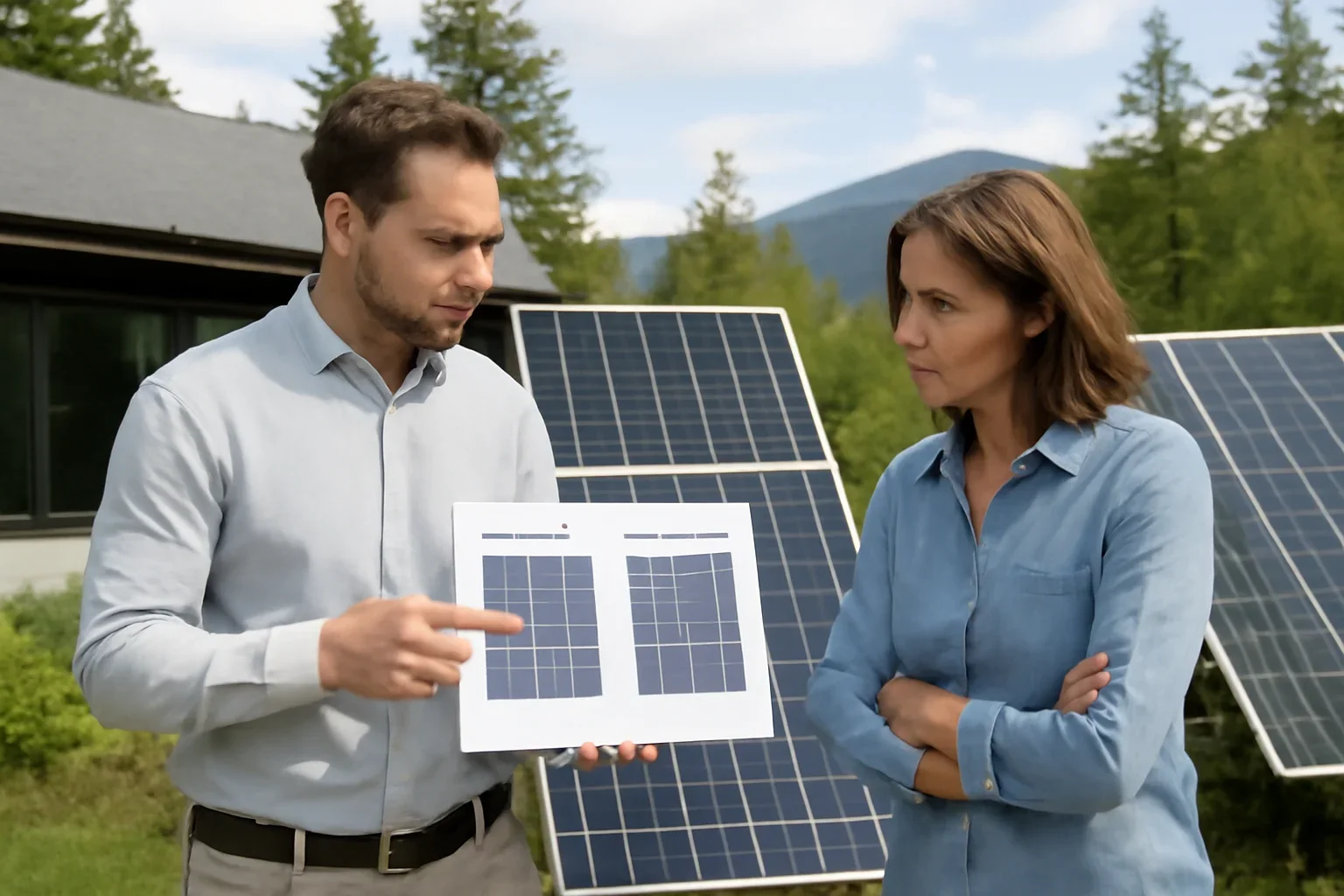
Every enquiry is sorted into property type, scope, and decision stage so the next conversation starts with context.
Roof layout, service capacity, usage pattern, and future upgrades are reviewed before recommendations are narrowed down.
You should know what information is missing, what options look realistic, and what the next milestone will be.
With monocrystalline vs polycrystalline solar panels, the biggest differences usually show up in project complexity, maintenance expectations, site compatibility, and how each option performs against your actual goal. Some differences matter immediately, while others only show up years later when the property or power needs change.
Comparisons work better when they account for the property and the long-term plan rather than trying to declare one universal winner.
You can move between this page, our pricing guidance, contact page, and the most relevant solution or support page as your questions become more specific.
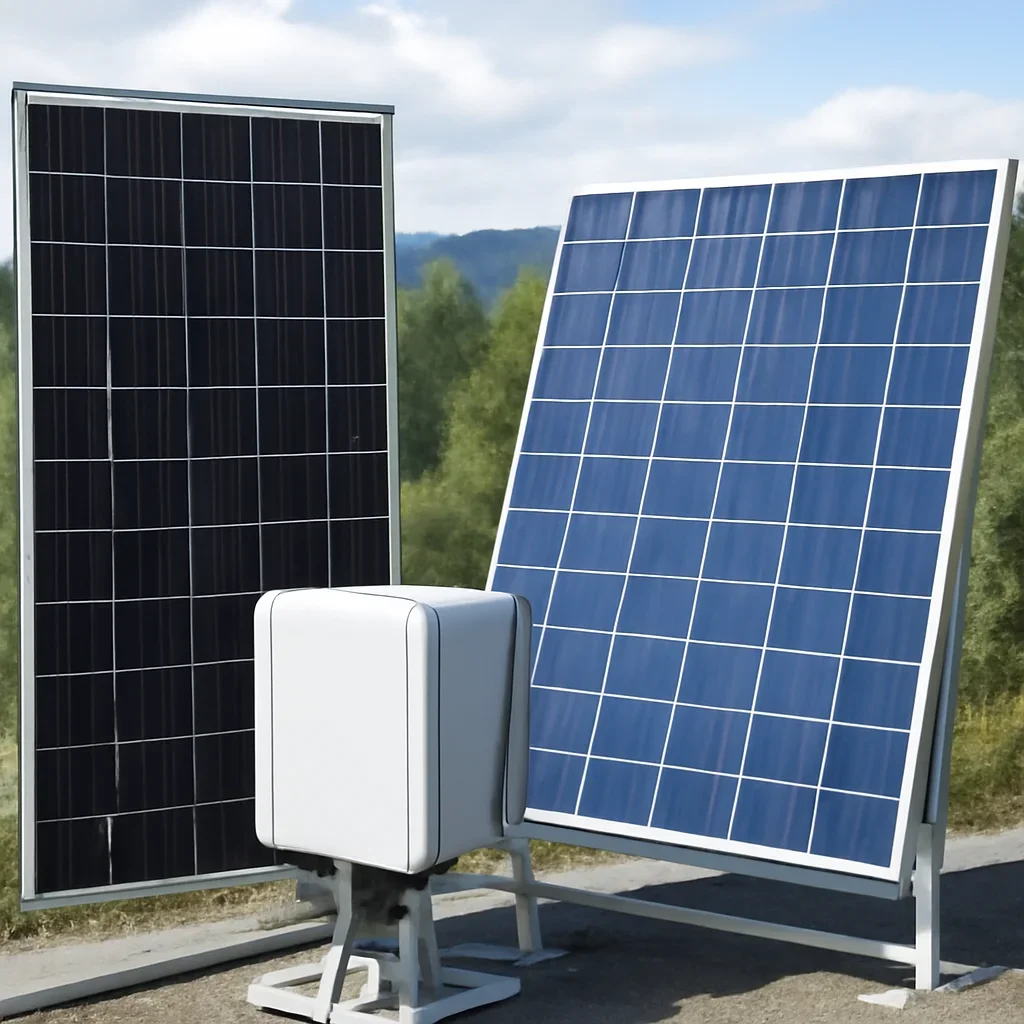

The best comparison starts with your priorities. What looks strong on cost may be weaker on flexibility, and what looks strong on resilience may ask more from the budget.
That kind of comparison produces a more useful answer because it respects where each option actually works best.
Most next steps involve confirming site details, reviewing energy use, and deciding whether the project is ready for design, pricing, or another round of planning questions.
Keeping the discussion tied to the actual site makes later decisions easier and cuts down on guesswork.
The best fit becomes clearer once the property, electricity use, equipment goals, and budget range are reviewed together. That process shows whether the option makes sense as a near-term solution, a staged upgrade, or something to rule out early.
After an enquiry, the conversation normally moves into site details, energy use, and the outcome you want the project to deliver. That gives enough context to explain realistic options and what information is still missing.
Yes. Different property types call for different design logic, approval steps, and installation pacing. Treating them the same tends to create avoidable problems later in the project.
Next step
Share the property type and what you want the system to do, and we will help you frame the comparison around the realities of the site.
Send project details