Clear first step
Every enquiry is sorted into property type, scope, and decision stage so the next conversation starts with context.

Compare
Our team handles solar comparisons and alternatives, with planning built around the property, electrical setup, and the result you want from the system.
The work starts with a real review of roof space, power usage, and installation constraints so the recommendation fits the site instead of forcing a standard package.
Discuss your project
Every enquiry is sorted into property type, scope, and decision stage so the next conversation starts with context.
Roof layout, service capacity, usage pattern, and future upgrades are reviewed before recommendations are narrowed down.
You should know what information is missing, what options look realistic, and what the next milestone will be.
This topic becomes more important when the project has a clear purpose, whether that is lowering daytime bills, improving resilience, supporting future growth, or fitting a particular kind of building.
The best results come from understanding how this part of the project interacts with layout, budget, permitting, and longer-term energy plans.
You can move between this page, our pricing guidance, contact page, and the most relevant solution or support page as your questions become more specific.
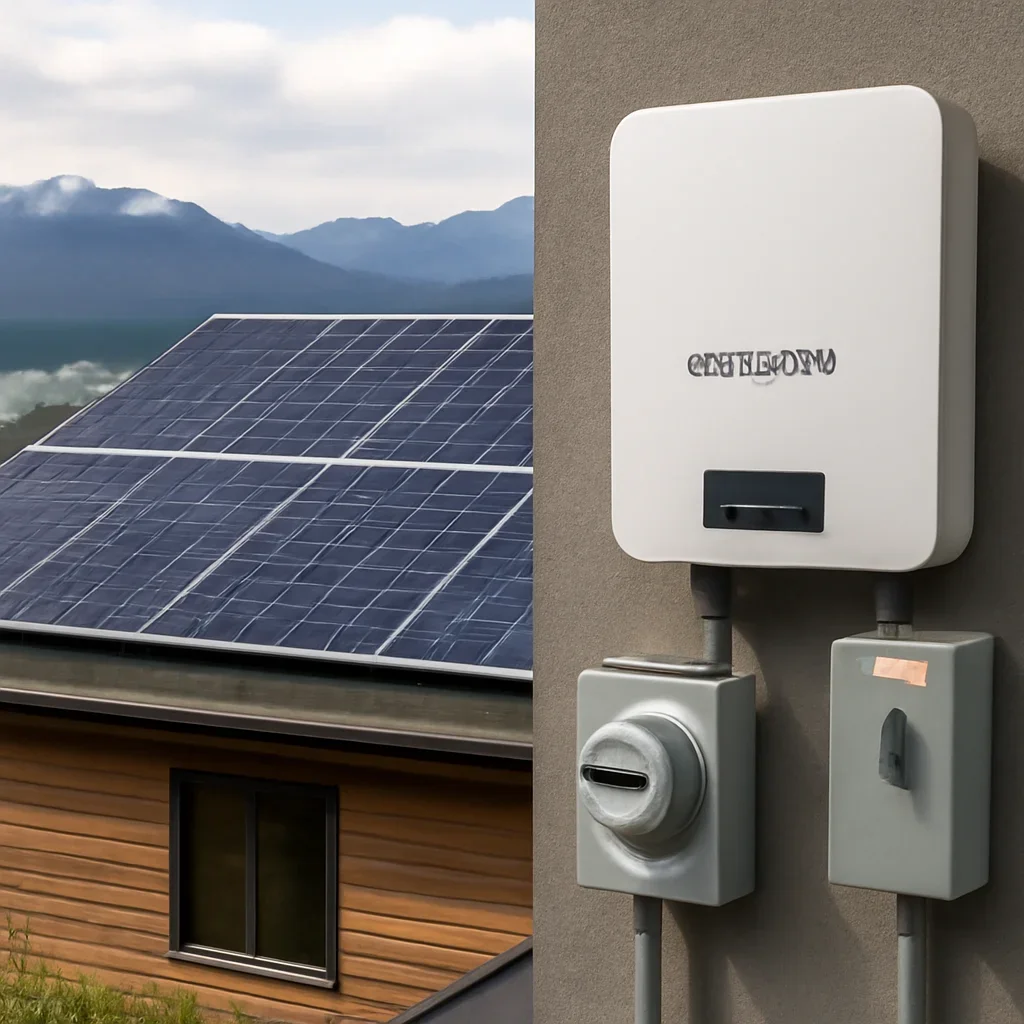

Early review is mostly about fit: does the property, energy profile, and project goal support this option in a practical way? Once that is answered, the next step is a more detailed scope discussion.
That keeps the project grounded in practical decisions instead of assumptions taken from someone else’s building.
After an enquiry, the conversation usually moves into property review, scope clarification, and a better sense of whether the project is ready for design direction or a fuller quote discussion.
That process keeps the decision grounded in the property, the electrical setup, and the outcome you care about most.
The answer depends on how well the option matches the property and the outcome you care about. Once the roof, load profile, and project priorities are reviewed, the right fit is usually easier to spot.
The next step is usually a review of the property type, usage pattern, and project goals, followed by any site details needed to narrow the scope. You should come away with a clearer idea of options, likely constraints, and what information is still needed before design moves ahead.
Yes. Different property types call for different design logic, approval steps, and installation pacing. Treating them the same tends to create avoidable problems later in the project.
Next step
Send the property basics and what you want the system to achieve, and we will help connect this topic to a real project path.
Send project details