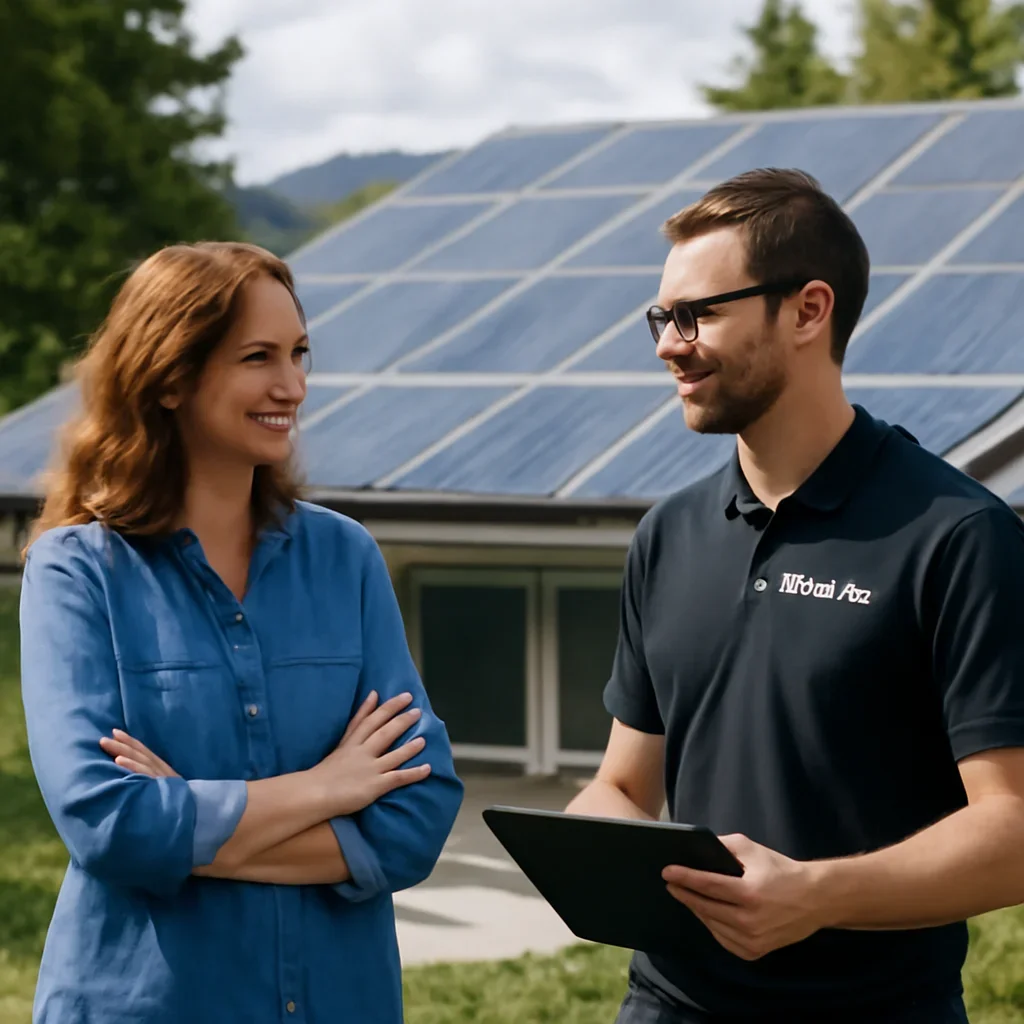
Useful intake
The first conversation is meant to identify the project goal, property details, and any obvious constraints before assumptions build up.

Integrations
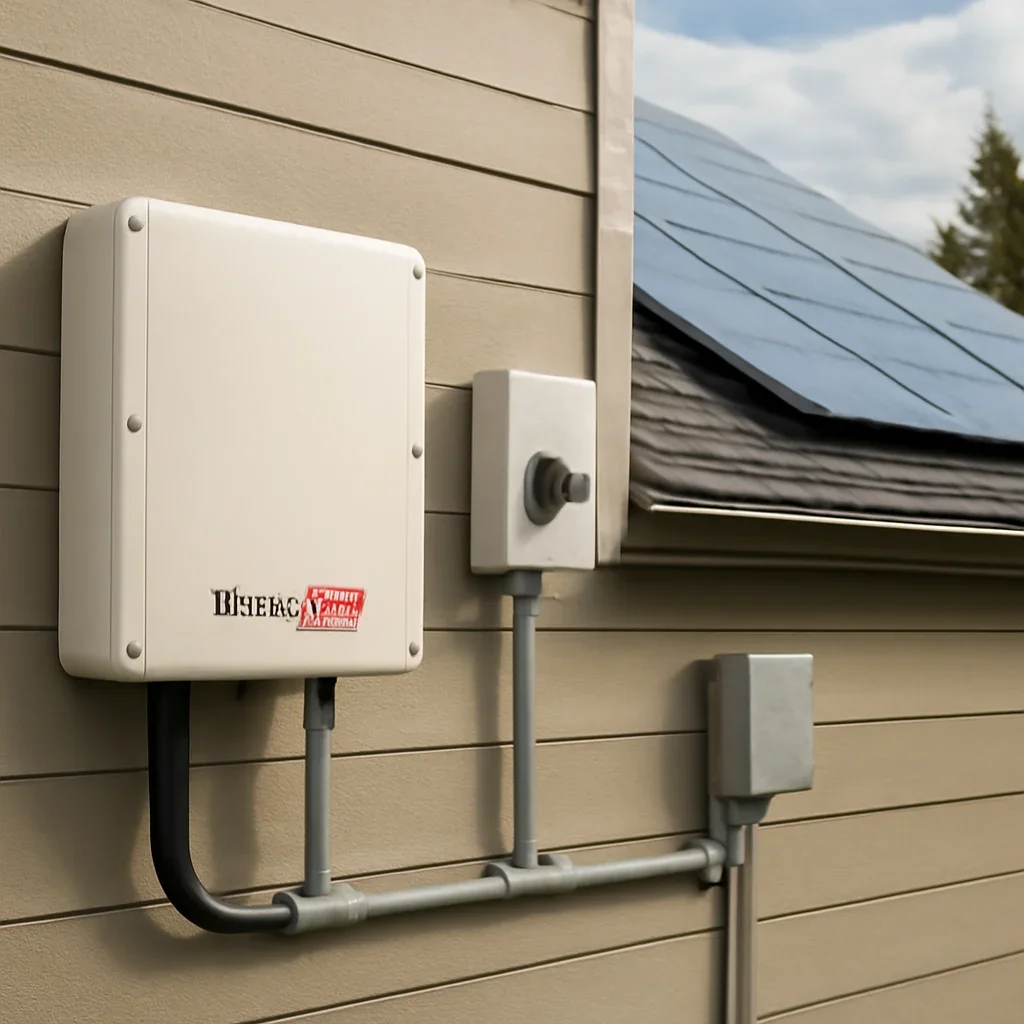
Our team handles solarEdge inverter solar integration, with planning built around the property, electrical setup, and the result you want from the system.
The work starts with a real review of roof space, power usage, and installation constraints so the recommendation fits the site instead of forcing a standard package.
Discuss your project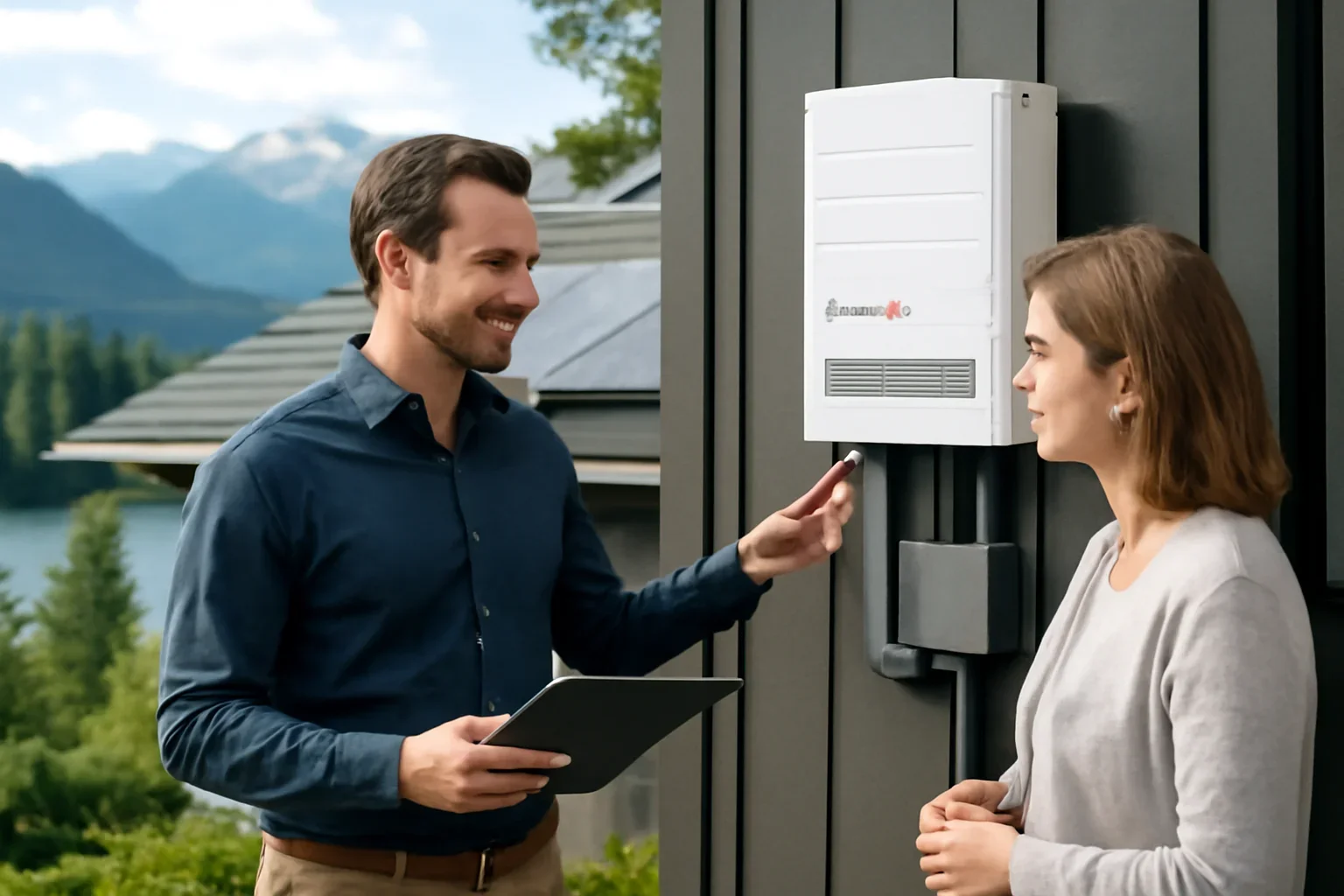
The first conversation is meant to identify the project goal, property details, and any obvious constraints before assumptions build up.
A recommendation only becomes useful when it reflects the building, electrical setup, and intended result.
With the basics in place, it is easier to compare options and understand what the next step actually involves.
This topic becomes more important when the project has a clear purpose, whether that is lowering daytime bills, improving resilience, supporting future growth, or fitting a particular kind of building.
Looking at this issue in isolation is rarely enough. Layout, future plans, approval steps, and cost all influence whether it is the right fit.
A useful next step may be to compare this page with pricing, support articles, or a related solution page that matches your property type.
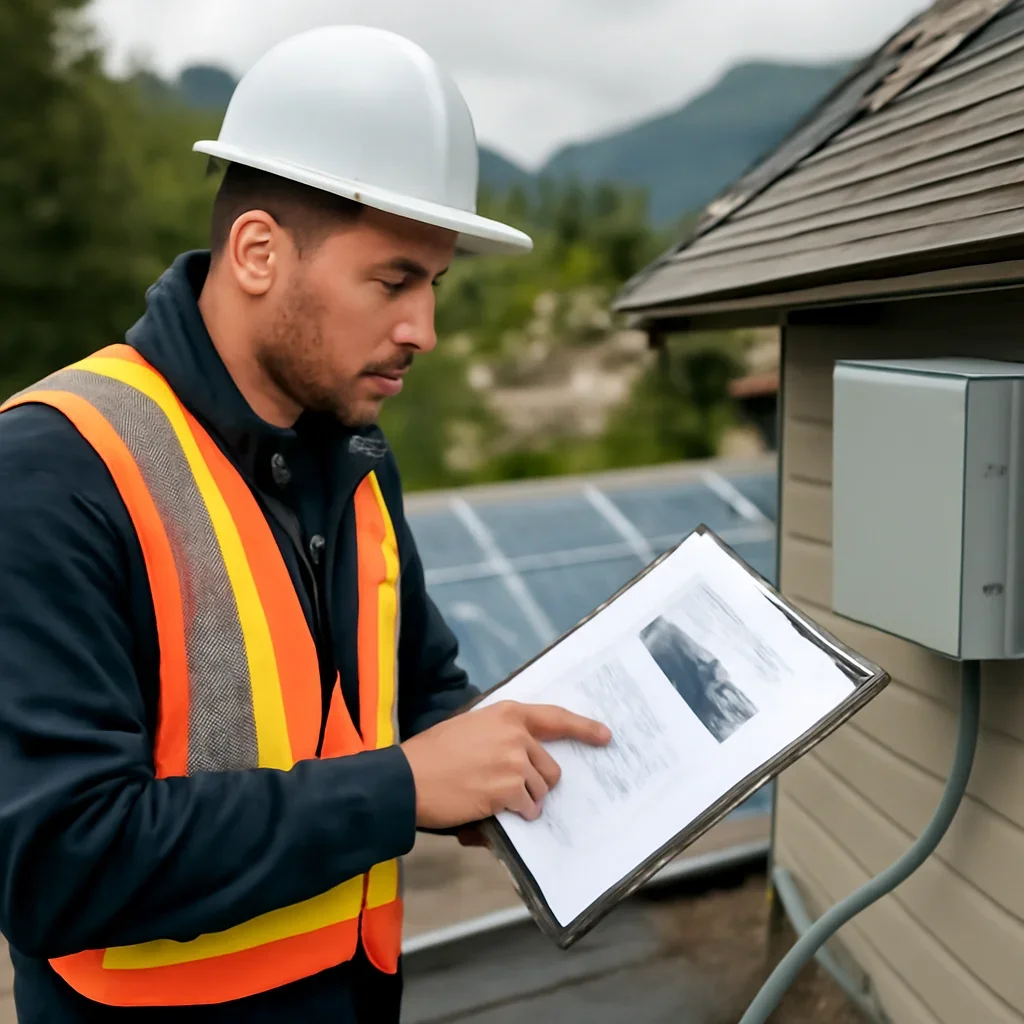
Early review is mostly about fit: does the property, energy profile, and project goal support this option in a practical way? Once that is answered, the next step is a more detailed scope discussion.
That approach makes the recommendation more reliable because it is built on site conditions and project goals rather than generic examples.
The process after first contact is normally a scope check that identifies the property conditions, likely constraints, and the information needed before pricing or design becomes more specific.
The point is to move from general interest to clear project direction without skipping the details that affect performance, cost, and installation flow.
The best fit becomes clearer once the property, electricity use, equipment goals, and budget range are reviewed together. That process shows whether the option makes sense as a near-term solution, a staged upgrade, or something to rule out early.
The next step is usually a review of the property type, usage pattern, and project goals, followed by any site details needed to narrow the scope. You should come away with a clearer idea of options, likely constraints, and what information is still needed before design moves ahead.
Yes. A house, farm, warehouse, office building, and strata property each shape the project in different ways, so the planning should adapt to the building instead of forcing a generic template.
Next step
Send the property basics and what you want the system to achieve, and we will help connect this topic to a real project path.
Send project details