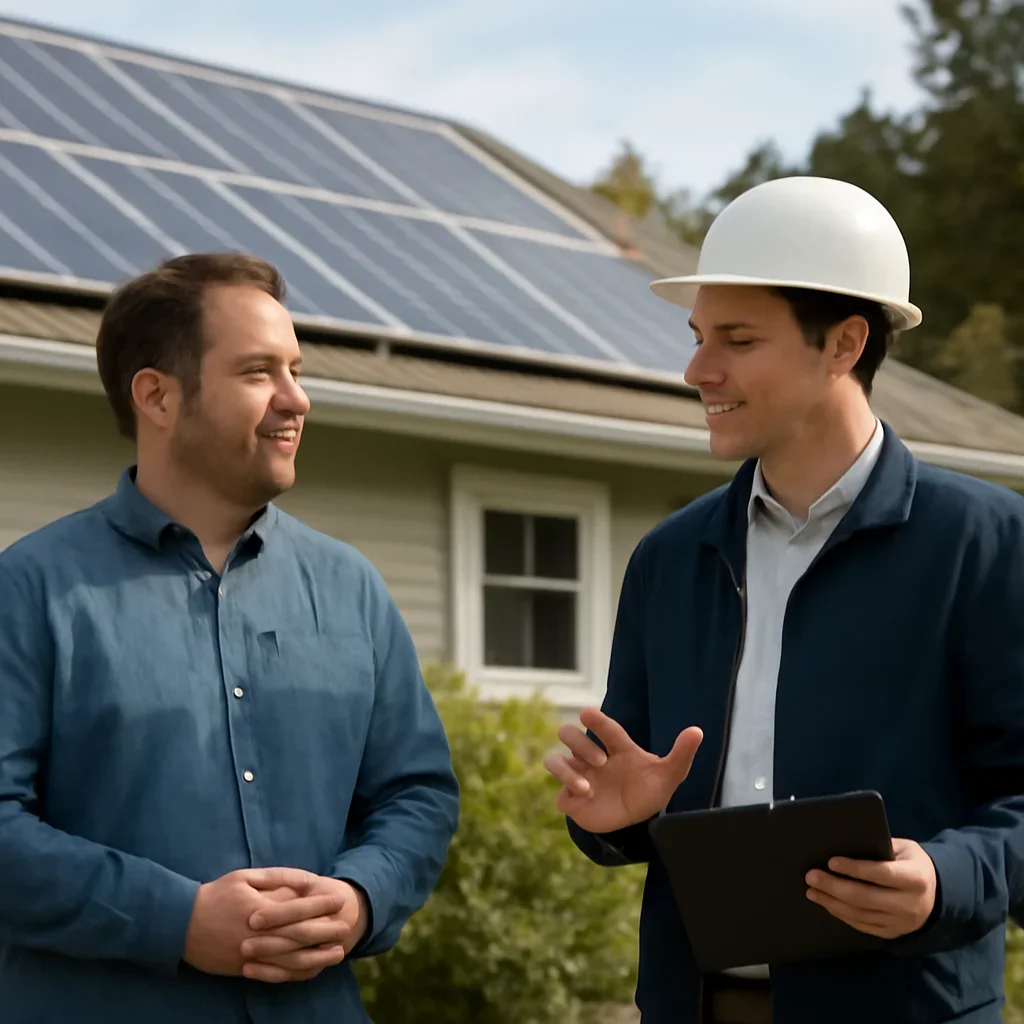
Area-specific planning
Rossland installations work best when site exposure, roof type, and local project conditions are understood early.

Service Areas
Rossland property owners often want clear answers before moving ahead with solar: whether the roof is suitable, how the system should be sized, what the process looks like, and how utility coordination is handled.
Local projects often depend on site exposure, roof condition, electrical capacity, and the practical steps needed for permitting and utility approval.
Discuss your project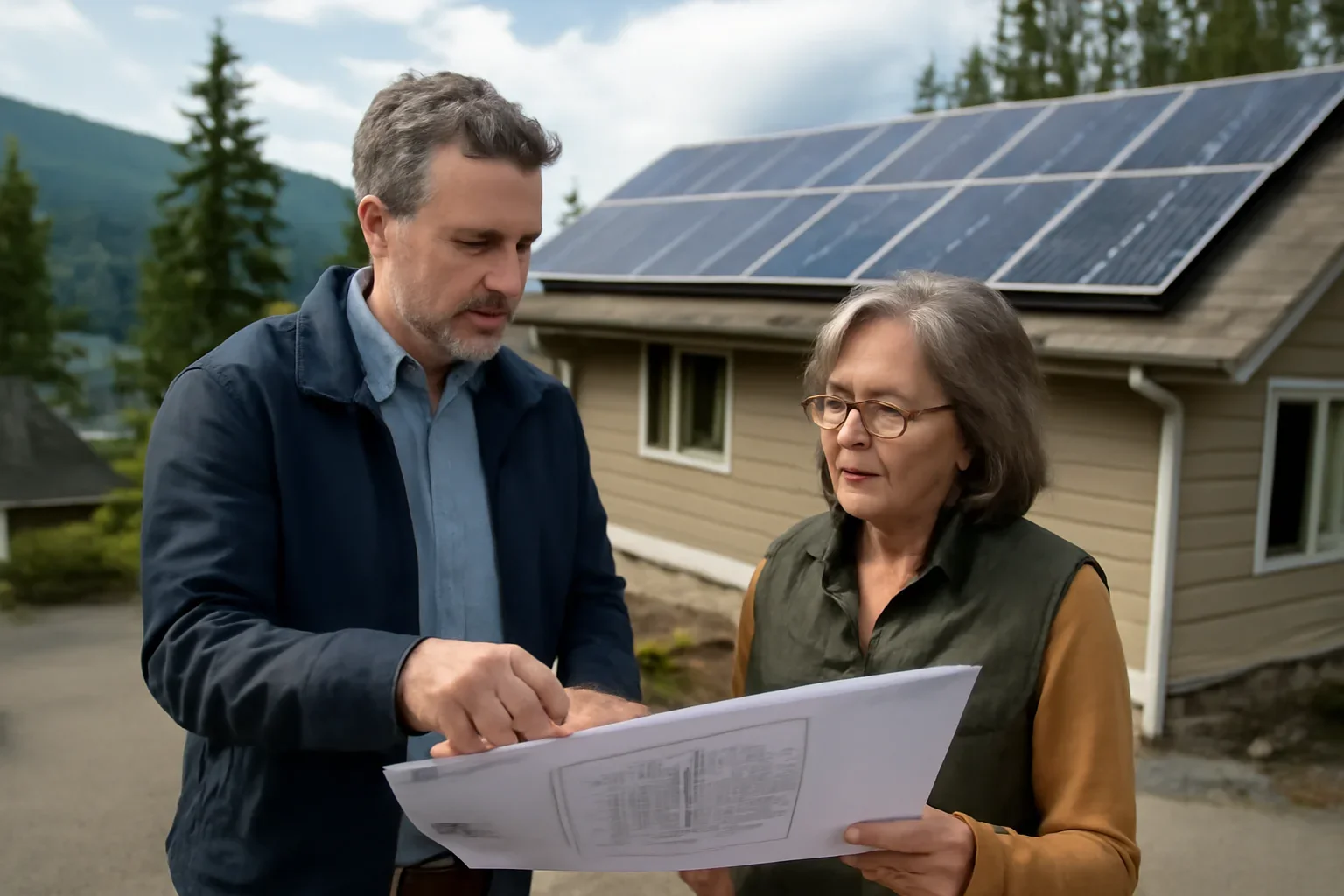
Rossland installations work best when site exposure, roof type, and local project conditions are understood early.
A clear sequence for review, design, and approvals keeps the project moving without unnecessary uncertainty.
The right system for a townhouse, detached home, farm, or light industrial site will not look exactly the same.
In Rossland, solid planning starts with the site rather than with a guessed system size. Roof layout, electrical capacity, shading, and installation access all affect what will work cleanly on the property.
Future changes such as an EV charger, workshop load, or backup requirement can affect the design today, which is why they belong in the first planning discussion.
You may also want to compare this page with ground-mounted solar, roof-mounted solar, and project pricing factors.
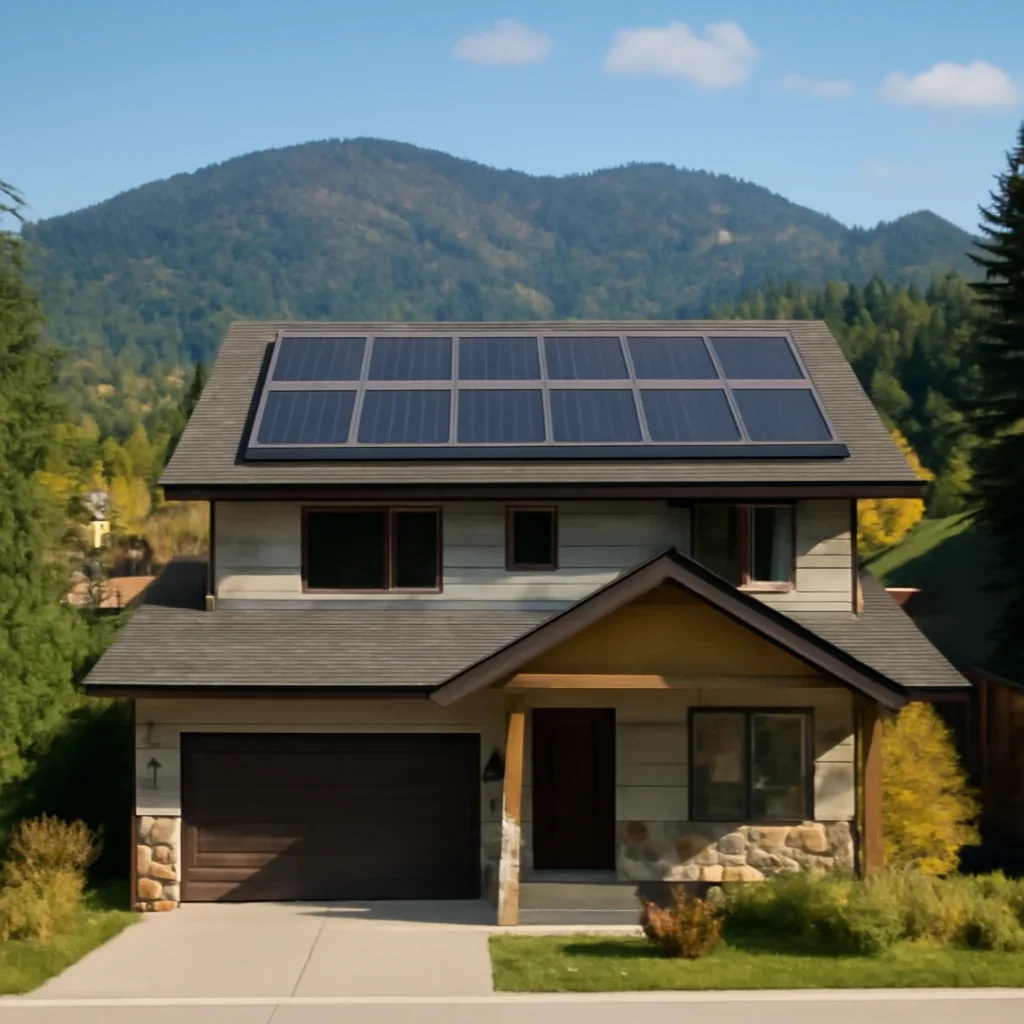

A practical first step in Rossland is deciding which type of system suits the property best and whether the project should be staged or handled in one phase. That makes the enquiry more useful and the design path clearer.
With the site information in place, the next stage is usually a clearer scope, a more relevant equipment discussion, and the approval workflow tied to the project.
Most next steps involve confirming site details, reviewing energy use, and deciding whether the project is ready for design, pricing, or another round of planning questions.
That process keeps the decision grounded in the property, the electrical setup, and the outcome you care about most.
Most projects begin with a quick fact-finding step covering the address, roof or land conditions, electricity profile, and project goals. That first review helps turn a broad enquiry into a clearer design direction and a more realistic quote conversation.
Yes. Approval steps are usually managed as part of the wider project rather than as a separate task for the property owner to decode alone. What matters most is keeping the submission sequence tied to the actual scope of work.
It helps to share the property location, the building type, recent utility information, and whether storage, EV charging, or expansion is part of the plan. Those details make the first recommendation much more useful.
Next step
Tell us about the property, your current power use, and what you want the system to achieve. We will outline the next step for a Rossland installation enquiry.
Send project details