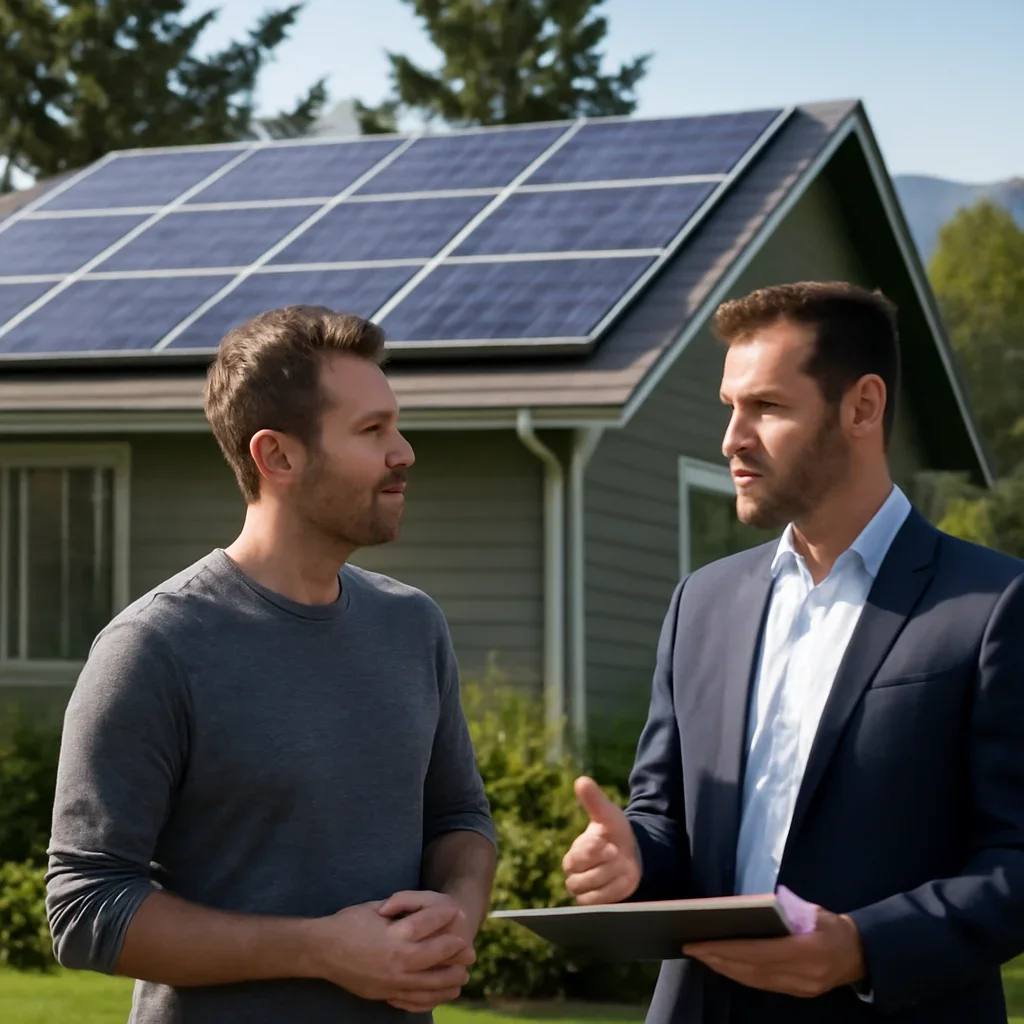
Clear first step
Every enquiry is sorted into property type, scope, and decision stage so the next conversation starts with context.

Integrations
Our team handles solar-ready EV charger integration, with planning built around the property, electrical setup, and the result you want from the system.
The work starts with a real review of roof space, power usage, and installation constraints so the recommendation fits the site instead of forcing a standard package.
Discuss your project
Every enquiry is sorted into property type, scope, and decision stage so the next conversation starts with context.
Roof layout, service capacity, usage pattern, and future upgrades are reviewed before recommendations are narrowed down.
You should know what information is missing, what options look realistic, and what the next milestone will be.
The value of this option usually shows up when it is connected to a specific property need. That could involve cost control, backup planning, building limitations, or a future equipment upgrade.
Looking at this issue in isolation is rarely enough. Layout, future plans, approval steps, and cost all influence whether it is the right fit.
You can move between this page, our pricing guidance, contact page, and the most relevant solution or support page as your questions become more specific.
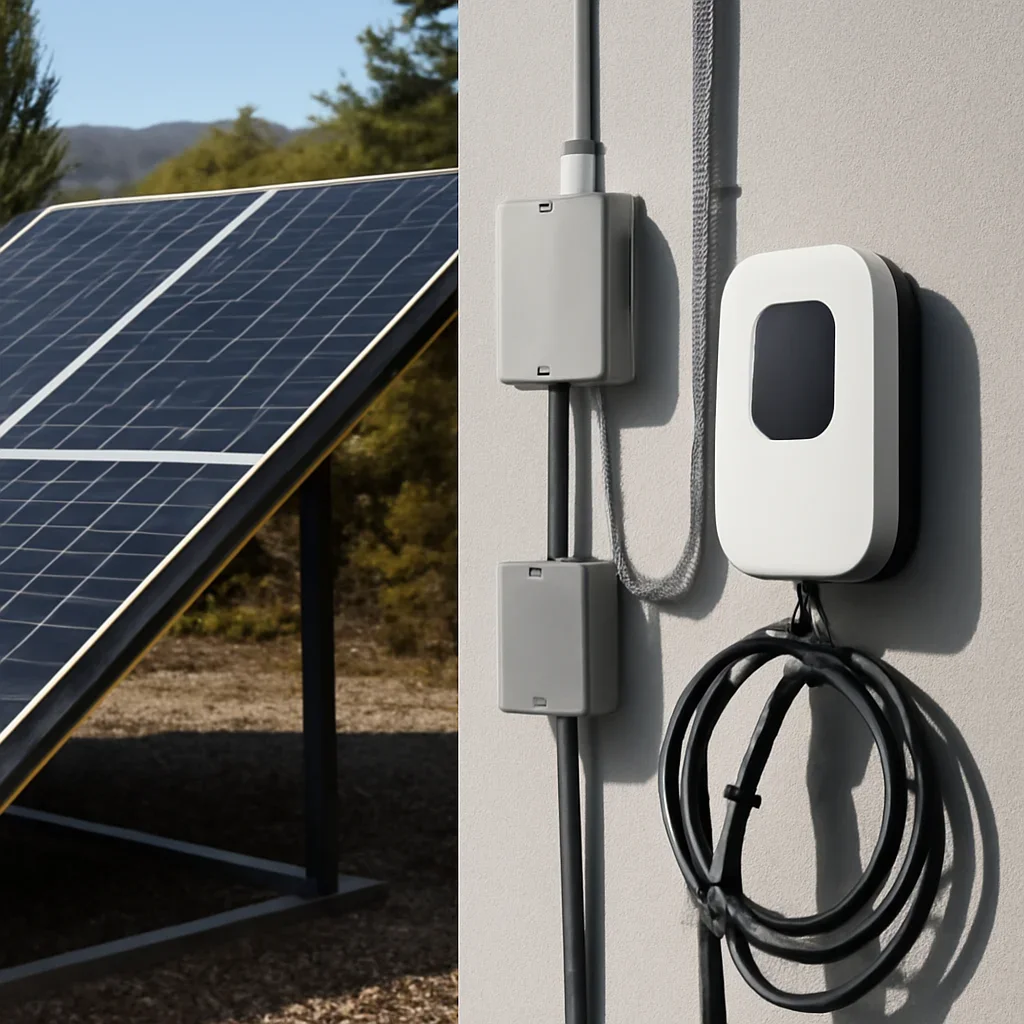
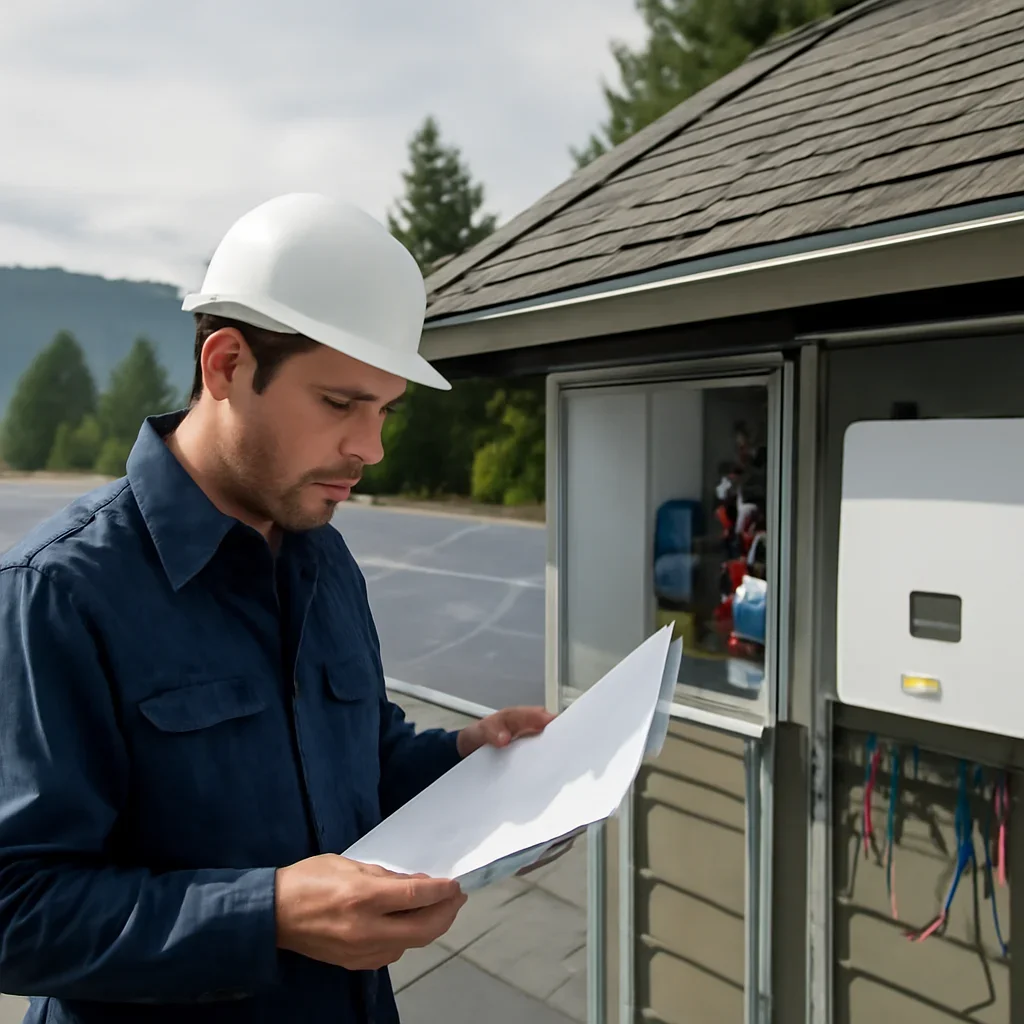
The first step is to confirm whether the property and goal line up with the option being considered. After that, the conversation usually moves into design considerations, likely constraints, and the information needed for a more detailed recommendation.
That keeps the project grounded in practical decisions instead of assumptions taken from someone else’s building.
The process after first contact is normally a scope check that identifies the property conditions, likely constraints, and the information needed before pricing or design becomes more specific.
The point is to move from general interest to clear project direction without skipping the details that affect performance, cost, and installation flow.
A good fit is determined by the site, the reason for the project, and any limits around budget or building conditions. Looking at those together is the fastest way to see whether this option deserves deeper planning.
After an enquiry, the conversation normally moves into site details, energy use, and the outcome you want the project to deliver. That gives enough context to explain realistic options and what information is still missing.
Yes. Different property types call for different design logic, approval steps, and installation pacing. Treating them the same tends to create avoidable problems later in the project.
Next step
Share the building type, the goal behind the project, and any site issues already on your radar so the next step is easier to define.
Send project details