Practical local detail
Port Coquitlam properties can vary widely, so local solar planning works better when the site drives the recommendation.

Service Areas
Port Coquitlam property owners often want clear answers before moving ahead with solar: whether the roof is suitable, how the system should be sized, what the process looks like, and how utility coordination is handled.
Local projects often depend on site exposure, roof condition, electrical capacity, and the practical steps needed for permitting and utility approval.
Discuss your project
Port Coquitlam properties can vary widely, so local solar planning works better when the site drives the recommendation.
Clarifying approvals, roof readiness, and electrical constraints early makes later stages easier to manage.
Some properties need a simple rooftop system, while others benefit from storage, phased upgrades, or ground-mounted design.
In Port Coquitlam, solid planning starts with the site rather than with a guessed system size. Roof layout, electrical capacity, shading, and installation access all affect what will work cleanly on the property.
If battery storage, EV charging, or future expansion is part of the plan, it helps to account for that early so the system is not designed too narrowly.
Common next pages from here include installation, how many panels you may need, and the enquiry page.
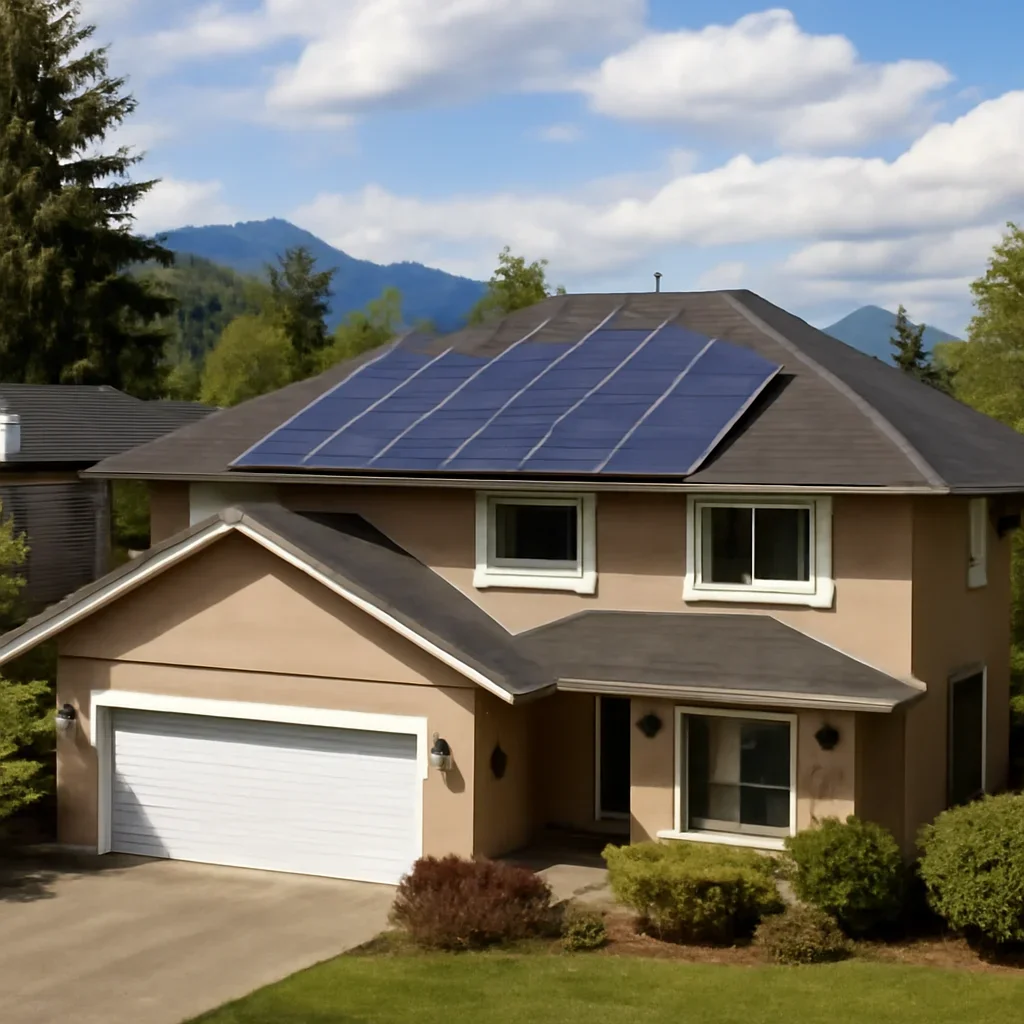

The first conversation should narrow down whether Port Coquitlam is a good fit for rooftop solar, ground-mounted solar, or a staged approach that starts with the highest-value part of the property. That keeps the next step focused and reduces avoidable back-and-forth.
With the site information in place, the next stage is usually a clearer scope, a more relevant equipment discussion, and the approval workflow tied to the project.
Most next steps involve confirming site details, reviewing energy use, and deciding whether the project is ready for design, pricing, or another round of planning questions.
That process keeps the decision grounded in the property, the electrical setup, and the outcome you care about most.
The process normally begins with the site basics: building type, power usage, available installation area, and any known electrical limits. Once that is clear, the review can move toward system fit, likely scope, and the approvals that apply to the property.
Yes. Permitting and utility coordination are not side issues left until the end; they are built into the planning sequence. The details depend on the site, yet the process should stay transparent so you understand what is required and when it needs to happen.
A recent power bill, photos of the roof or site, and any information about electrical upgrades can help speed things up. Even without all of that, an initial conversation can still narrow down likely system options and the questions that need to be answered next.
Next step
Send a few details about your Port Coquitlam site, the building type, and the result you want from solar, and we will point you toward the right next step.
Send project details