Practical local detail
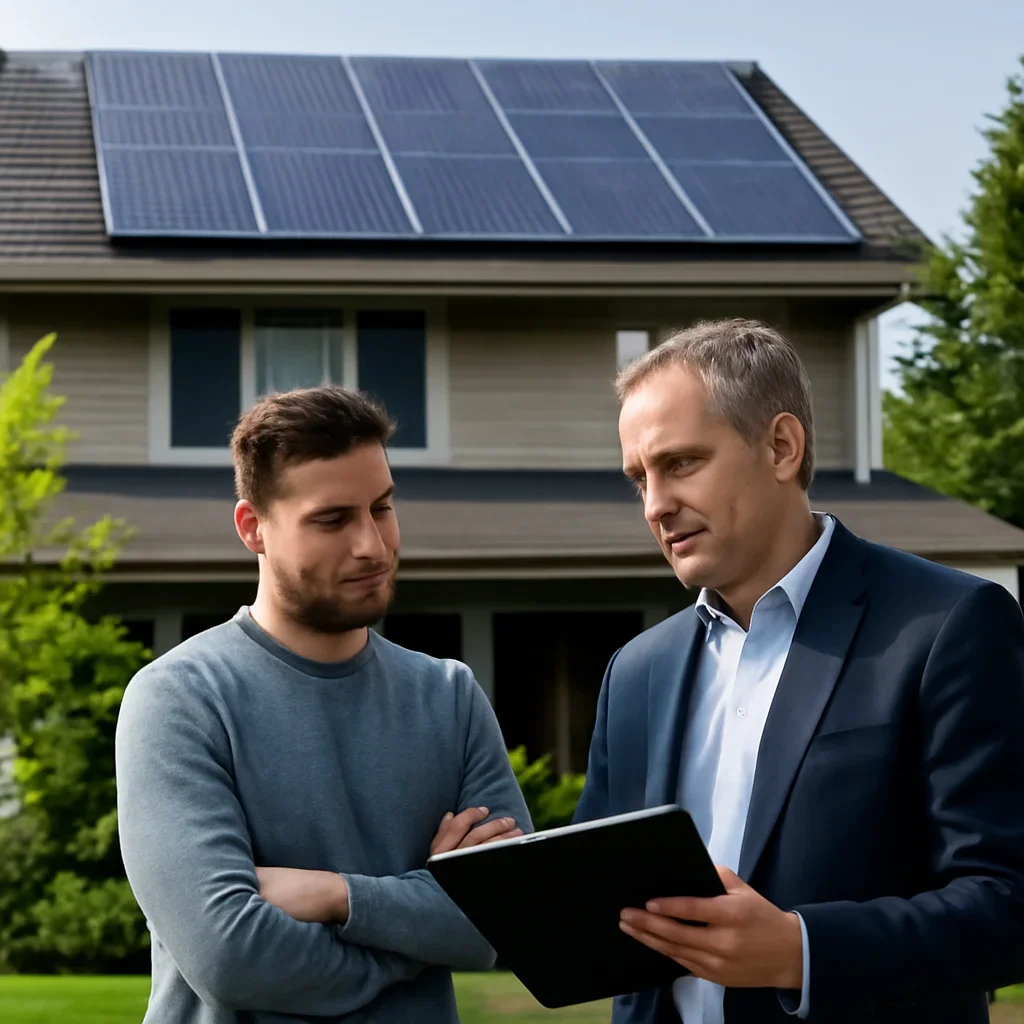
Courtenay properties can vary widely, so local solar planning works better when the site drives the recommendation.

Service Areas
Courtenay property owners often want clear answers before moving ahead with solar: whether the roof is suitable, how the system should be sized, what the process looks like, and how utility coordination is handled.
Projects here often balance coastal moisture, salt air exposure near the water, and roof layouts shaped by dense neighbourhood lots.
Discuss your project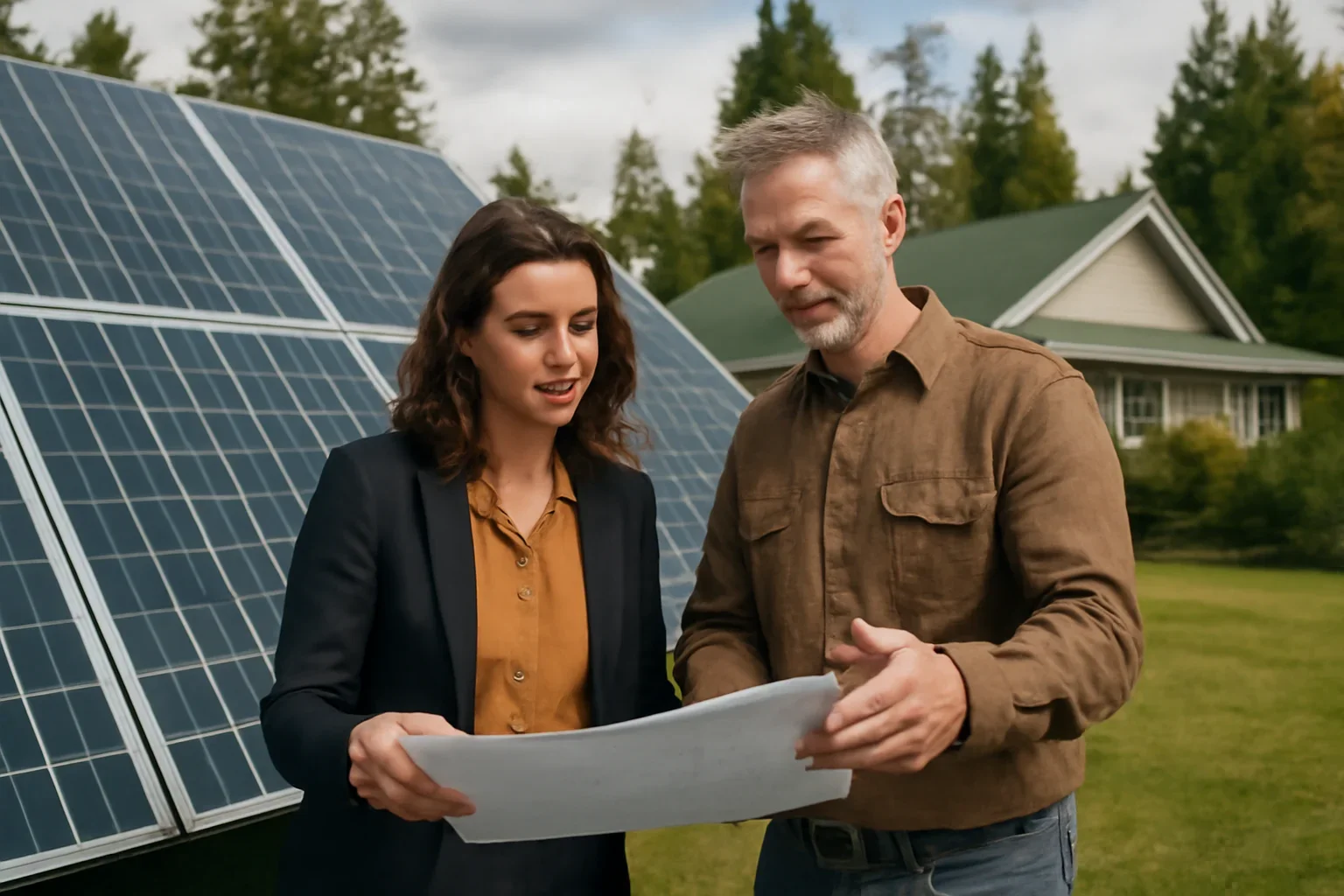
Courtenay properties can vary widely, so local solar planning works better when the site drives the recommendation.
Clarifying approvals, roof readiness, and electrical constraints early makes later stages easier to manage.
Some properties need a simple rooftop system, while others benefit from storage, phased upgrades, or ground-mounted design.
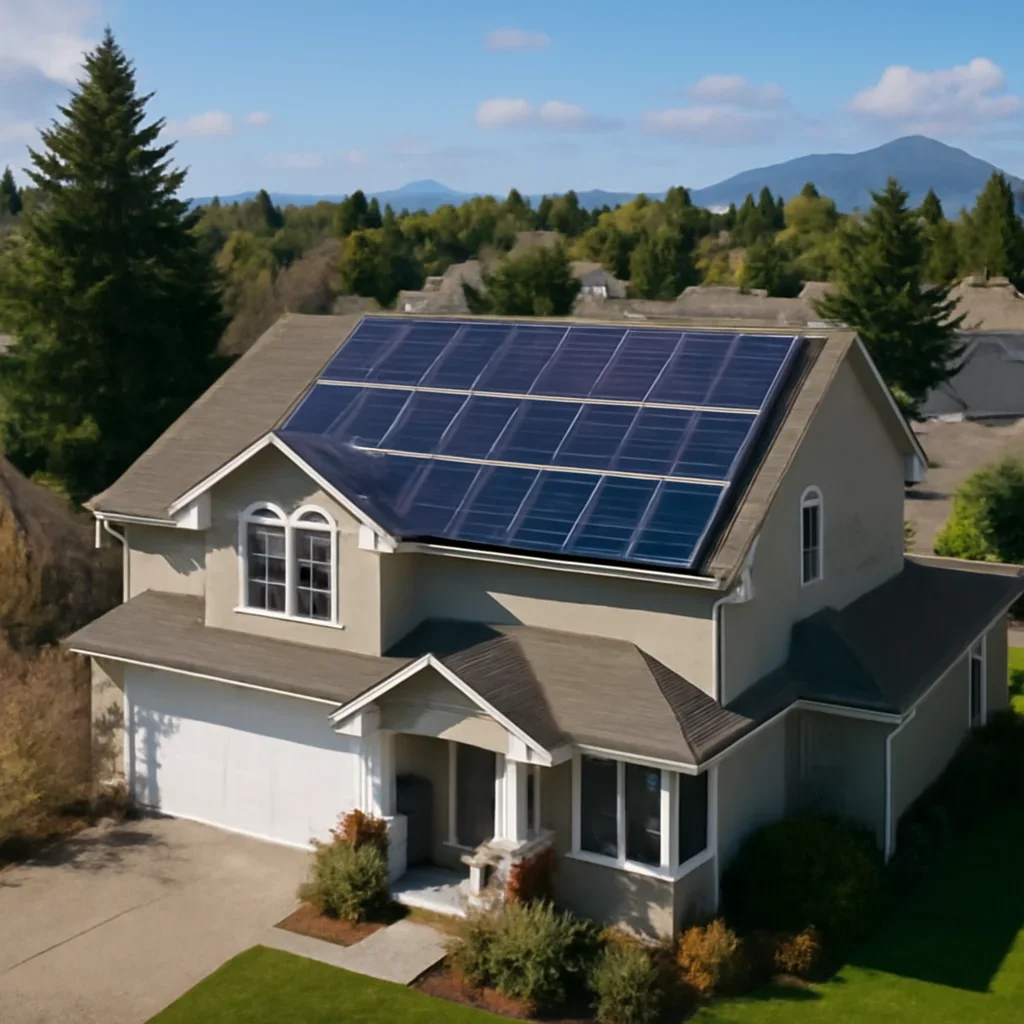
A useful review in Courtenay looks at roof orientation, available surface area, inverter placement, service capacity, and the practical steps required before installation work begins. Residential and commercial projects often need different design conversations, even when the end goal is similar.
Thinking ahead matters here. Storage, charger integration, panel upgrades, and staged expansion are easier to accommodate when they are discussed before the scope is finalized.
Common next pages from here include installation, how many panels you may need, and the enquiry page.
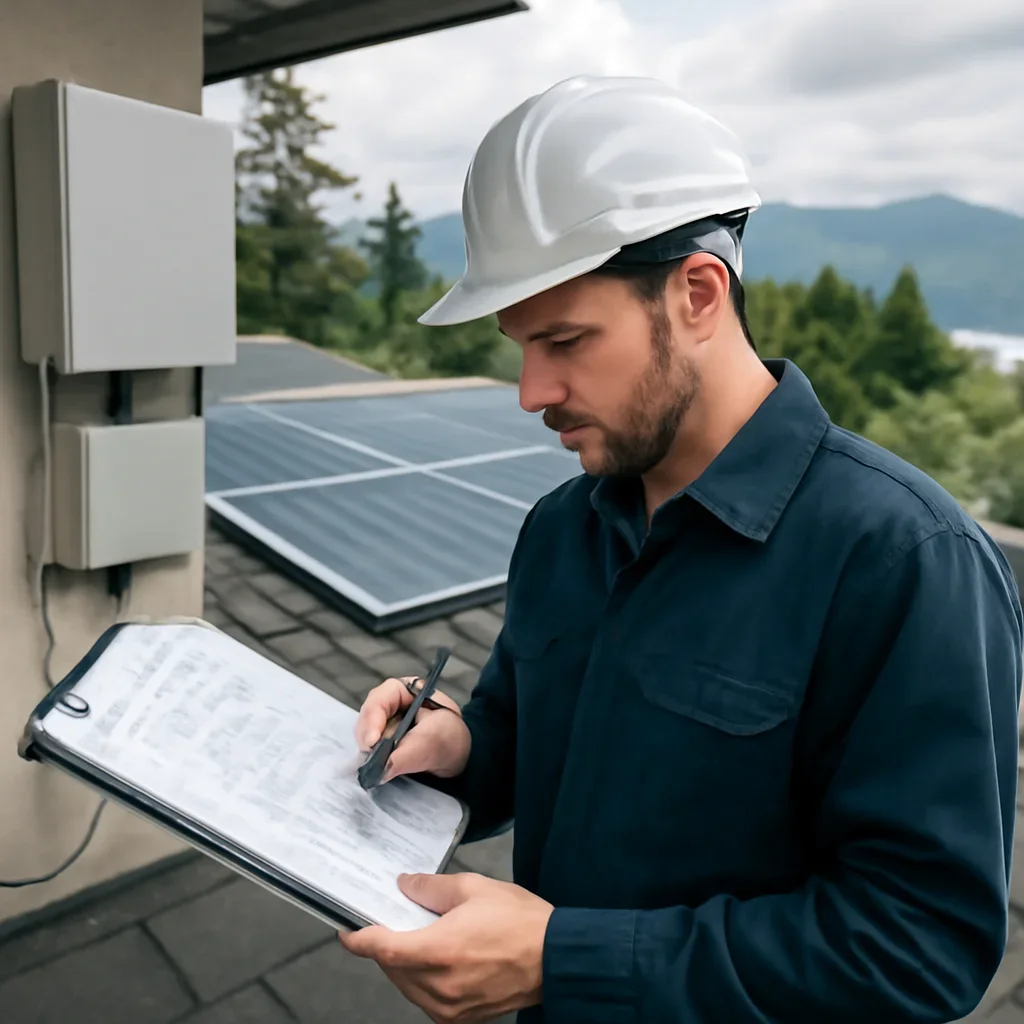
A practical first step in Courtenay is deciding which type of system suits the property best and whether the project should be staged or handled in one phase. That makes the enquiry more useful and the design path clearer.
With the site information in place, the next stage is usually a clearer scope, a more relevant equipment discussion, and the approval workflow tied to the project.
The process after first contact is normally a scope check that identifies the property conditions, likely constraints, and the information needed before pricing or design becomes more specific.
That process keeps the decision grounded in the property, the electrical setup, and the outcome you care about most.
Most projects begin with a quick fact-finding step covering the address, roof or land conditions, electricity profile, and project goals. That first review helps turn a broad enquiry into a clearer design direction and a more realistic quote conversation.
Yes. Approval steps are usually managed as part of the wider project rather than as a separate task for the property owner to decode alone. What matters most is keeping the submission sequence tied to the actual scope of work.
A recent power bill, photos of the roof or site, and any information about electrical upgrades can help speed things up. Even without all of that, an initial conversation can still narrow down likely system options and the questions that need to be answered next.
Next step
Tell us about the property, your current power use, and what you want the system to achieve. We will outline the next step for a Courtenay installation enquiry.
Send project details