Specific questions
The article is organized around the variables that actually change the answer instead of repeating generic solar talking points.

Blog - Maintenance, Warranties & Monitoring
What Causes Solar Panels to Degrade Over Time comes down to a few practical variables rather than a single universal answer. Roof layout, daytime consumption, utility rules, equipment choice, and project scope all shape the outcome.
This article breaks the topic into the decisions that matter most so you can judge fit, ask better questions, and move forward with a clearer expectation of cost, performance, or timing.
Discuss your project
The article is organized around the variables that actually change the answer instead of repeating generic solar talking points.
You can use the guidance to compare proposals, refine a budget range, or decide whether the next step should be a site review.
When research turns into a real project, the same topic can be connected to pricing, design scope, and installation planning.
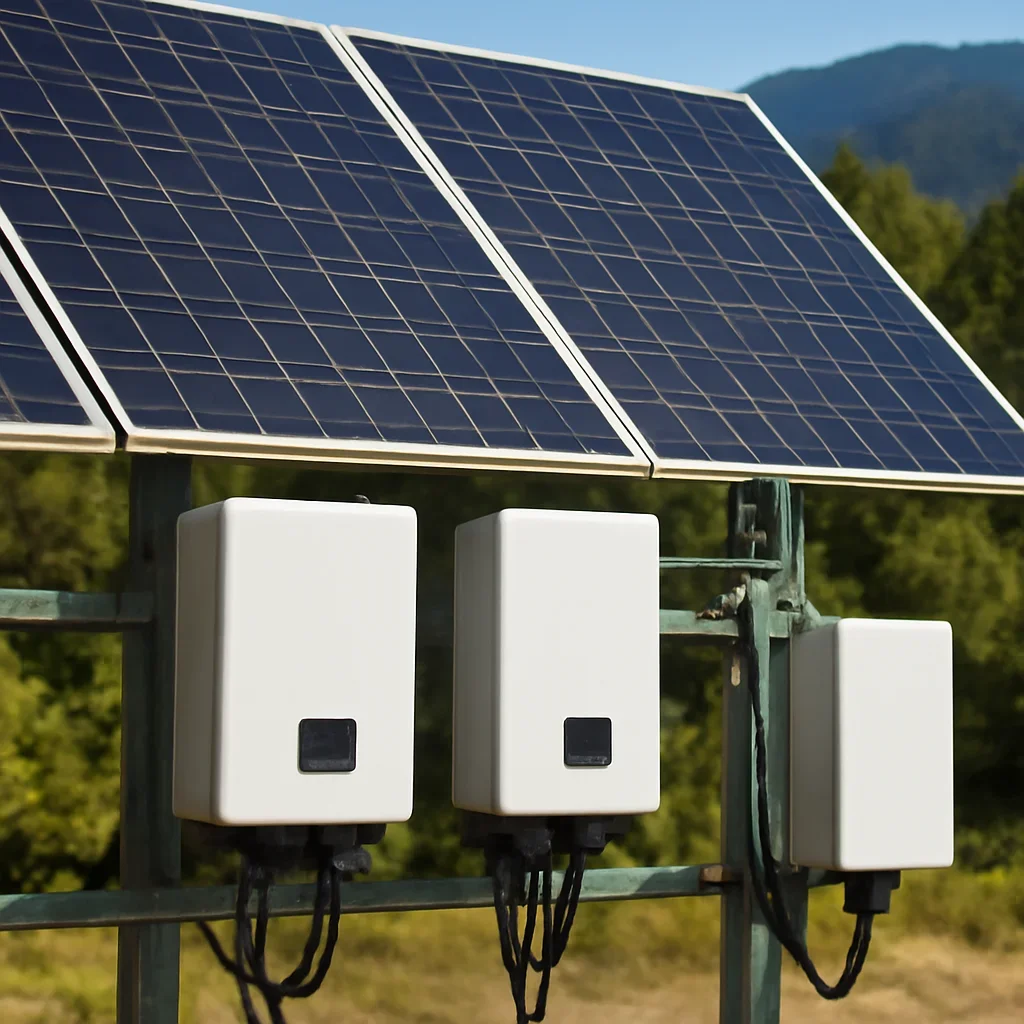
Environmental and system factors that affect long-term performance often sounds simple until site details are added. Energy usage patterns, roof design, system sizing, equipment choices, and utility rules change the answer quickly, which is why broad averages can be misleading.
It helps to divide the topic into core constraints and elective upgrades. That makes it easier to see which part of the decision is driving cost, complexity, or expected value.
For project-specific next steps, you can also review pricing, solar panel installation, and solar basics.
Use the article to sharpen the next conversation, not to replace it. Once real budget limits, timing goals, or installation conditions enter the picture, project-specific detail matters far more.
With the fundamentals in place, you can judge competing proposals more fairly and decide whether you need pricing, a site review, or a deeper technical discussion.
Most next steps involve confirming site details, reviewing energy use, and deciding whether the project is ready for design, pricing, or another round of planning questions.
The point is to move from general interest to clear project direction without skipping the details that affect performance, cost, and installation flow.
The main takeaway is that the answer depends on the property, energy profile, and project goals more than on a generic online estimate. Looking at system size, roof constraints, utility structure, and future plans gives a better answer than focusing on one headline number.
Not usually. A lower price can still be the wrong fit if the design, equipment, support, or installation scope does not line up with the property. It is better to compare what is included, what assumptions were made, and how the proposal is expected to perform.
It is worth getting a project-specific review once the question affects budgeting, property planning, or a buying decision. That step replaces generic estimates with information shaped by the actual site.
Next step
When you are ready to move beyond general guidance, share the site details that matter and we will help frame the next decision.
Send project details