Decision context
The content focuses on the assumptions behind the question so the conclusion is not separated from the real site.

Blog - Technology, Panels & Components
Solar Panel Degradation Explained comes down to a few practical variables rather than a single universal answer. Roof layout, daytime consumption, utility rules, equipment choice, and project scope all shape the outcome.
This article breaks the topic into the decisions that matter most so you can judge fit, ask better questions, and move forward with a clearer expectation of cost, performance, or timing.
Discuss your project
The content focuses on the assumptions behind the question so the conclusion is not separated from the real site.
It becomes easier to judge trade-offs once cost, timing, equipment, and property fit are discussed in the same place.
The article is meant to help you decide whether the issue needs more research or a project-specific review.
The topic usually becomes more useful once it is tied to a real roof, power profile, and project goal. Without that context, even good general advice can feel more certain than it really is.
A better way to assess the topic is to separate what is fixed, such as your property and load profile, from what is optional, such as storage, premium equipment, or phased installation.
When you want to connect the article to a real project, start with pricing guidance, battery storage, or a direct enquiry.

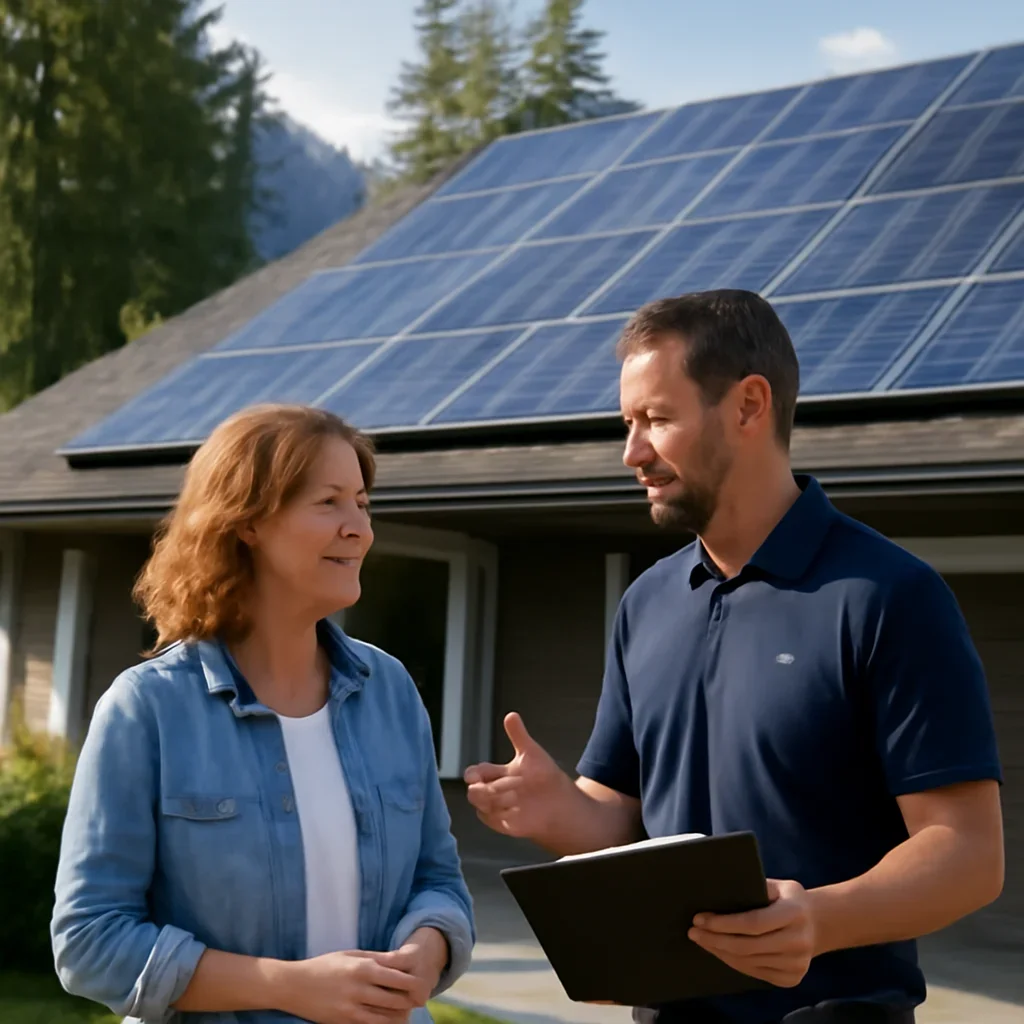
Use the article to sharpen the next conversation, not to replace it. Once real budget limits, timing goals, or installation conditions enter the picture, project-specific detail matters far more.
With the fundamentals in place, you can judge competing proposals more fairly and decide whether you need pricing, a site review, or a deeper technical discussion.
After an enquiry, the conversation usually moves into property review, scope clarification, and a better sense of whether the project is ready for design direction or a fuller quote discussion.
Keeping the discussion tied to the actual site makes later decisions easier and cuts down on guesswork.
The main takeaway is that the answer depends on the property, energy profile, and project goals more than on a generic online estimate. Looking at system size, roof constraints, utility structure, and future plans gives a better answer than focusing on one headline number.
No. Cost should be judged alongside fit, installation scope, equipment choices, and how well the proposal reflects the real site conditions. That is what turns a cheap option into a good option.
A project-specific review helps as soon as you are seriously comparing options or trying to budget accurately. It turns broad assumptions into details tied to the site, which makes the next decision much easier.
Next step
When you are ready to move beyond general guidance, share the site details that matter and we will help frame the next decision.
Send project details