Specific questions
The article is organized around the variables that actually change the answer instead of repeating generic solar talking points.

Blog - Incentives, BC Hydro & Permits
Off-Grid Solar Rules and Permits in British Columbia comes down to a few practical variables rather than a single universal answer. Roof layout, daytime consumption, utility rules, equipment choice, and project scope all shape the outcome.
This article breaks the topic into the decisions that matter most so you can judge fit, ask better questions, and move forward with a clearer expectation of cost, performance, or timing.
Discuss your project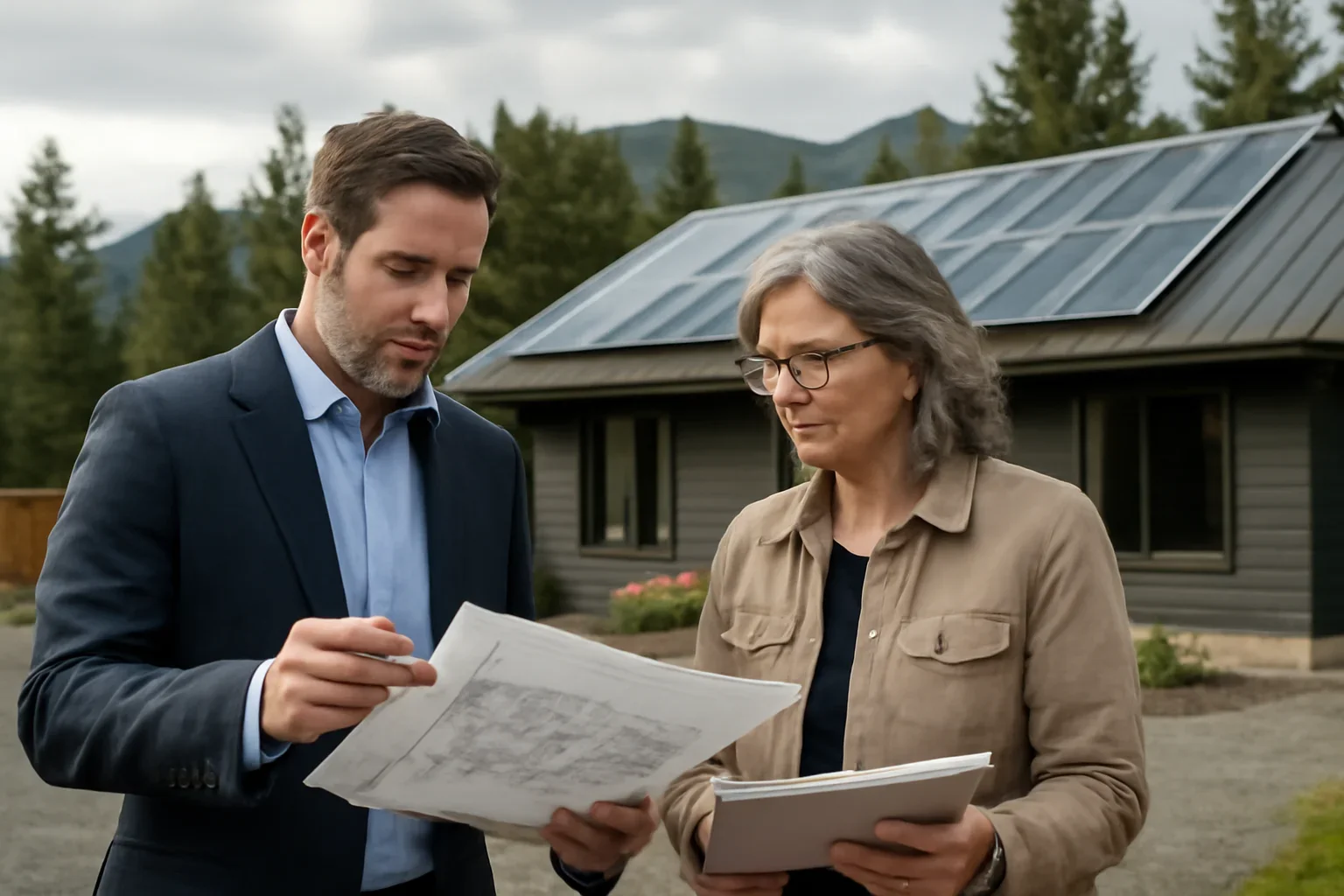
The article is organized around the variables that actually change the answer instead of repeating generic solar talking points.
You can use the guidance to compare proposals, refine a budget range, or decide whether the next step should be a site review.
When research turns into a real project, the same topic can be connected to pricing, design scope, and installation planning.
A lot of confusion around this topic comes from treating every property as if it starts from the same conditions. In practice, roof shape, usage timing, equipment choices, and approval requirements all influence the answer.
One helpful approach is to sort the issue into essentials and options. Property constraints and energy needs are usually fixed, while equipment tiers, storage, and timing can be adjusted.
For project-specific next steps, you can also review pricing, solar panel installation, and solar basics.

Use the article to sharpen the next conversation, not to replace it. Once real budget limits, timing goals, or installation conditions enter the picture, project-specific detail matters far more.
With the fundamentals in place, you can judge competing proposals more fairly and decide whether you need pricing, a site review, or a deeper technical discussion.
After an enquiry, the conversation usually moves into property review, scope clarification, and a better sense of whether the project is ready for design direction or a fuller quote discussion.
That process keeps the decision grounded in the property, the electrical setup, and the outcome you care about most.
The short lesson is that broad averages are only a starting point. A more reliable answer comes from matching the article topic to your roof, electrical setup, timing, and budget priorities.
Not usually. A lower price can still be the wrong fit if the design, equipment, support, or installation scope does not line up with the property. It is better to compare what is included, what assumptions were made, and how the proposal is expected to perform.
Bring in a project-specific review when the article has narrowed the issue but not fully answered it for your property. That is the point where real design factors begin to matter more than general education.
Next step
When you are ready to move beyond general guidance, share the site details that matter and we will help frame the next decision.
Send project details