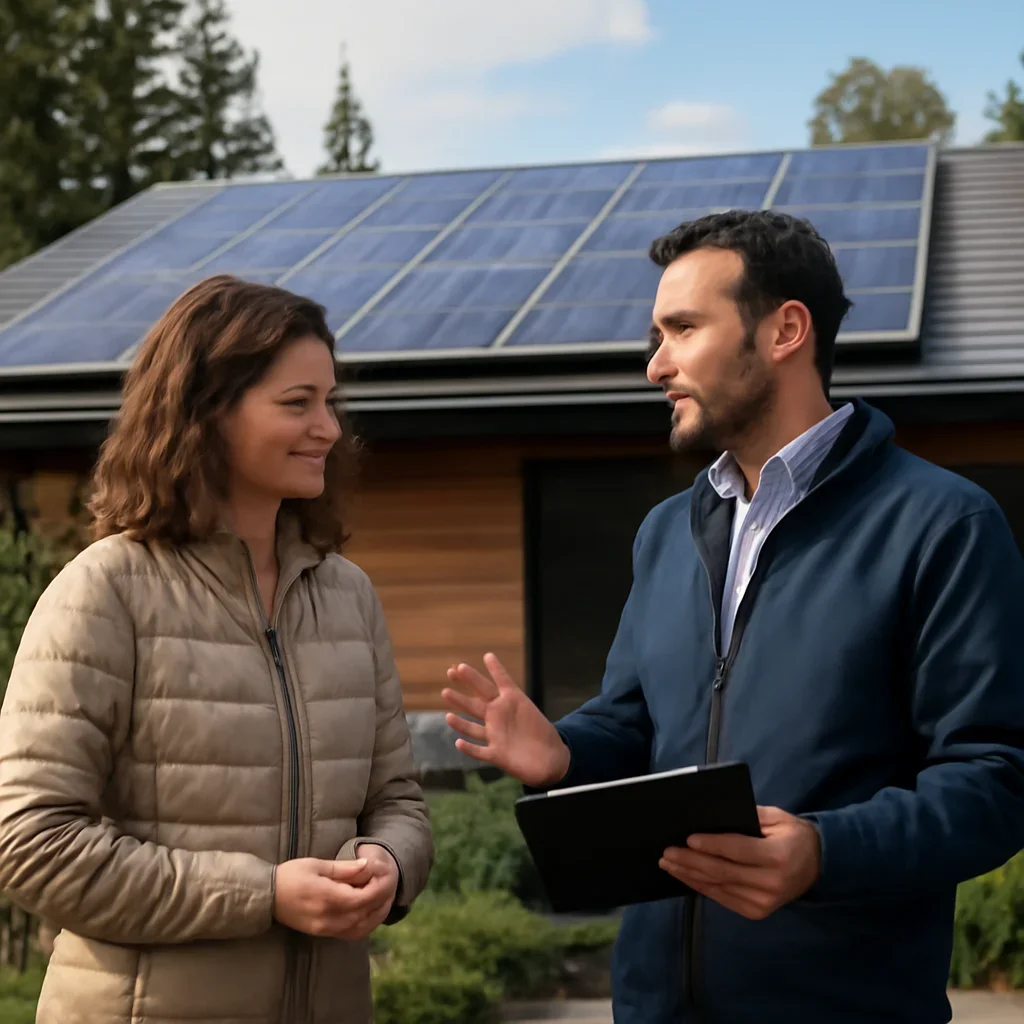
Area-specific planning
Service Areas installations work best when site exposure, roof type, and local project conditions are understood early.

Service Areas
Service Areas property owners often want clear answers before moving ahead with solar: whether the roof is suitable, how the system should be sized, what the process looks like, and how utility coordination is handled.
Local projects often depend on site exposure, roof condition, electrical capacity, and the practical steps needed for permitting and utility approval.
Discuss your project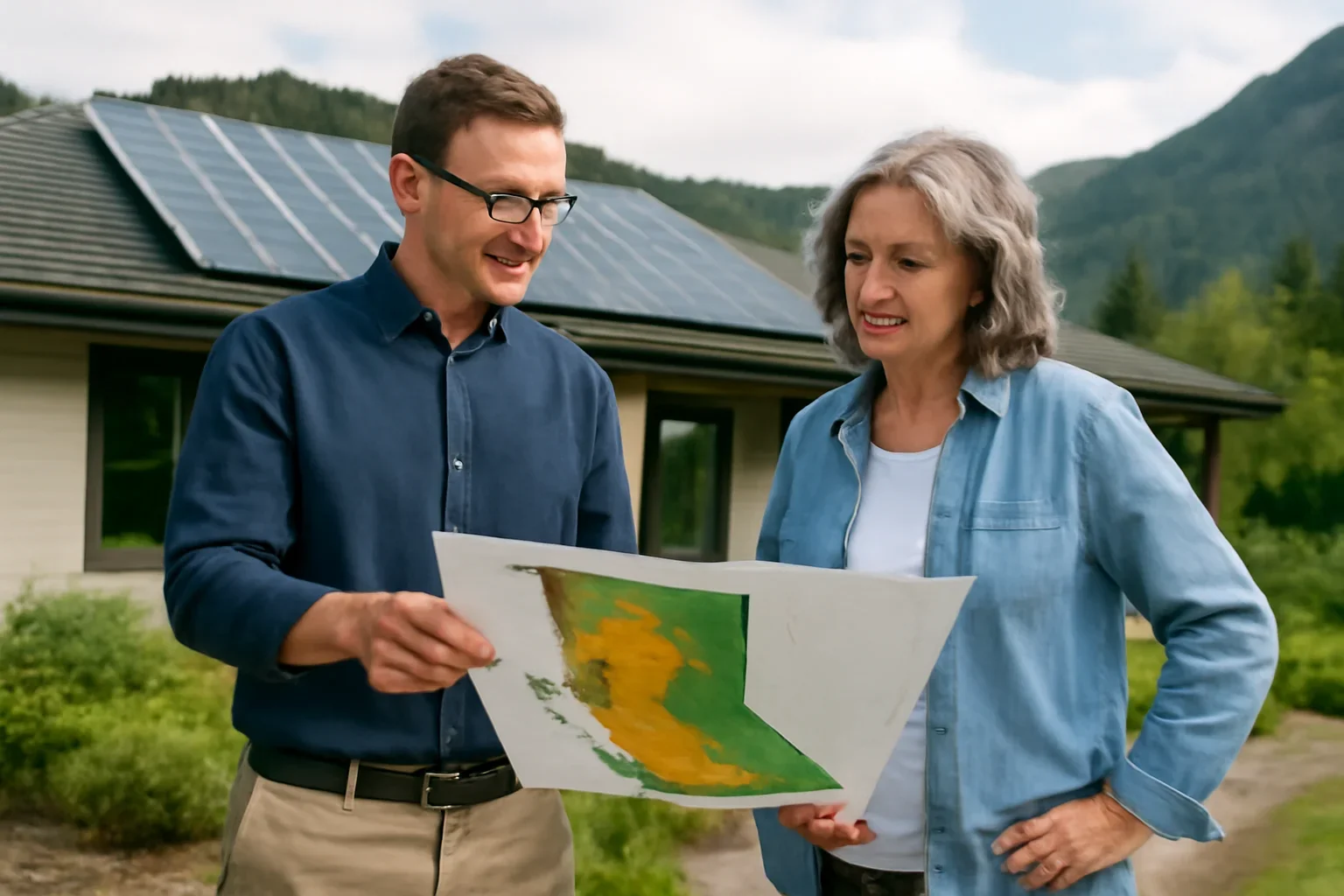
Service Areas installations work best when site exposure, roof type, and local project conditions are understood early.
A clear sequence for review, design, and approvals keeps the project moving without unnecessary uncertainty.
The right system for a townhouse, detached home, farm, or light industrial site will not look exactly the same.
A useful review in Service Areas looks at roof orientation, available surface area, inverter placement, service capacity, and the practical steps required before installation work begins. Residential and commercial projects often need different design conversations, even when the end goal is similar.
Thinking ahead matters here. Storage, charger integration, panel upgrades, and staged expansion are easier to accommodate when they are discussed before the scope is finalized.
You may also want to compare this page with ground-mounted solar, roof-mounted solar, and project pricing factors.

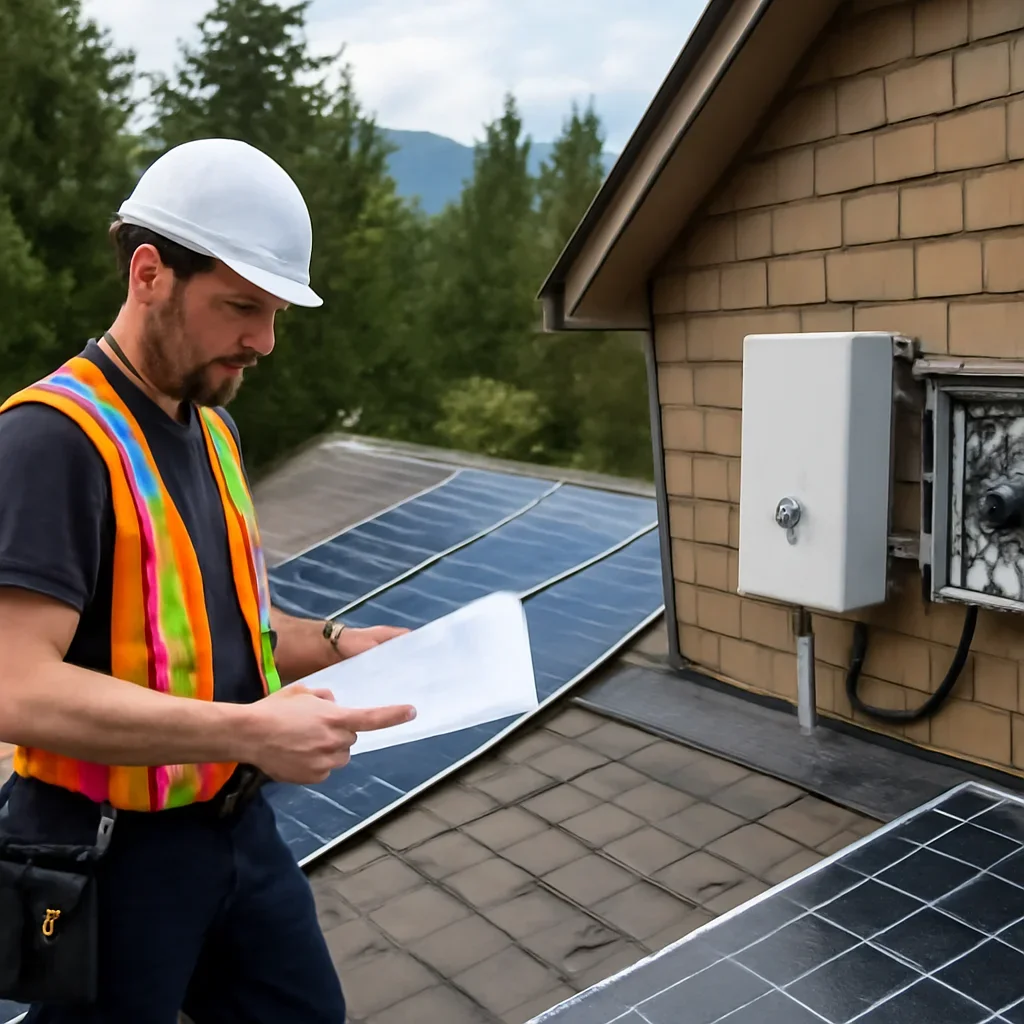
A practical first step in Service Areas is deciding which type of system suits the property best and whether the project should be staged or handled in one phase. That makes the enquiry more useful and the design path clearer.
After that, the work can move into a more specific review of layout, equipment, and the permissions or utility coordination needed for installation.
After an enquiry, the conversation usually moves into property review, scope clarification, and a better sense of whether the project is ready for design direction or a fuller quote discussion.
Keeping the discussion tied to the actual site makes later decisions easier and cuts down on guesswork.
The process normally begins with the site basics: building type, power usage, available installation area, and any known electrical limits. Once that is clear, the review can move toward system fit, likely scope, and the approvals that apply to the property.
Yes. Those steps are part of the project workflow, and they are handled alongside design and installation planning. The exact sequence can change depending on the property and utility requirements, but you should know what is being submitted and what stage the project is in.
It helps to share the property location, the building type, recent utility information, and whether storage, EV charging, or expansion is part of the plan. Those details make the first recommendation much more useful.
Next step
Share the basics of your Service Areas property and the goal behind the project, and we will help you understand the most practical next move.
Send project details